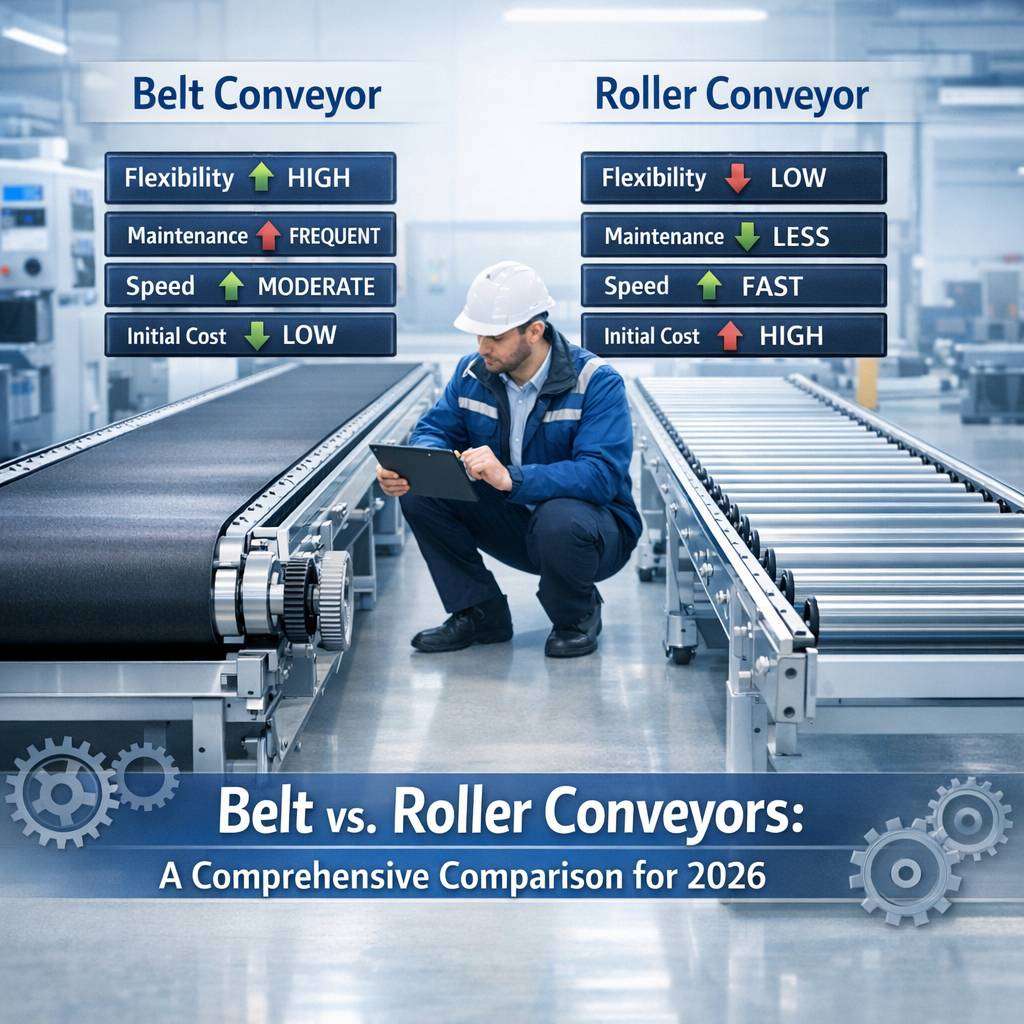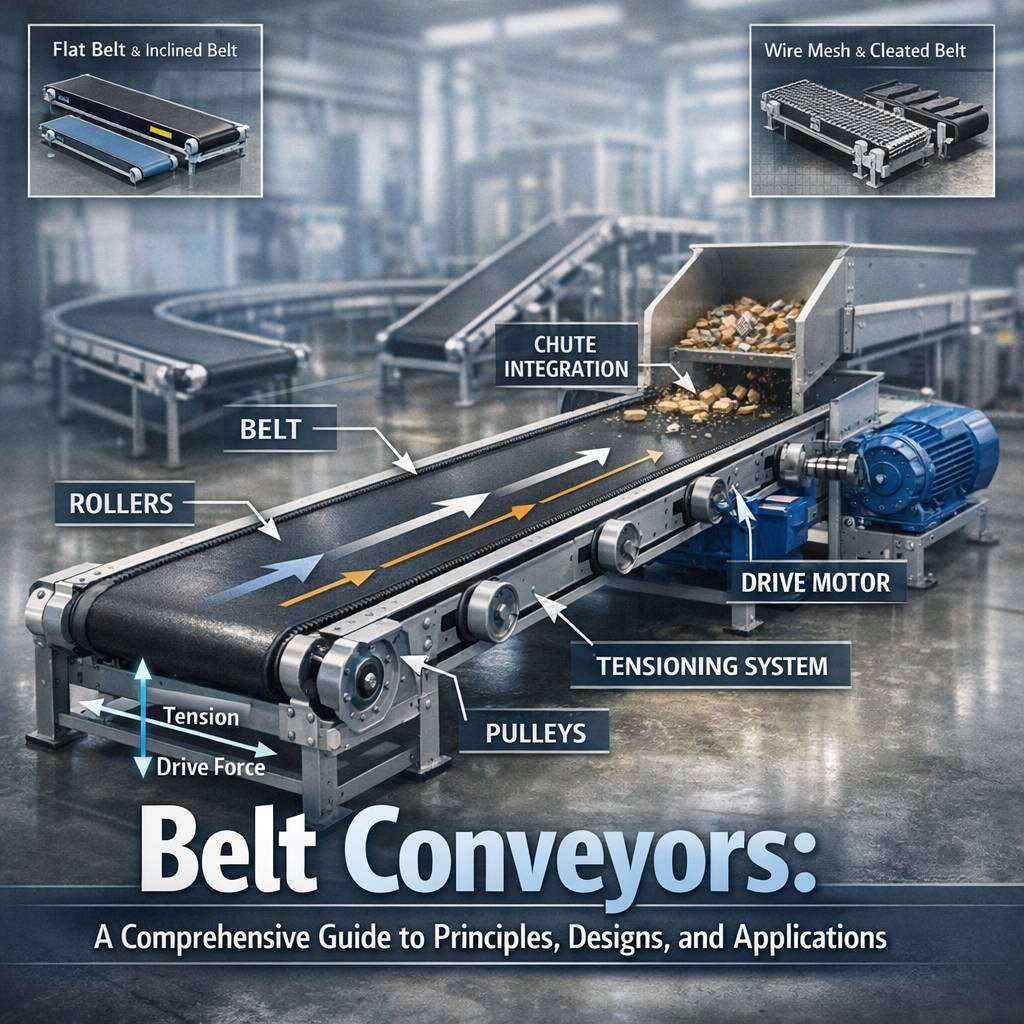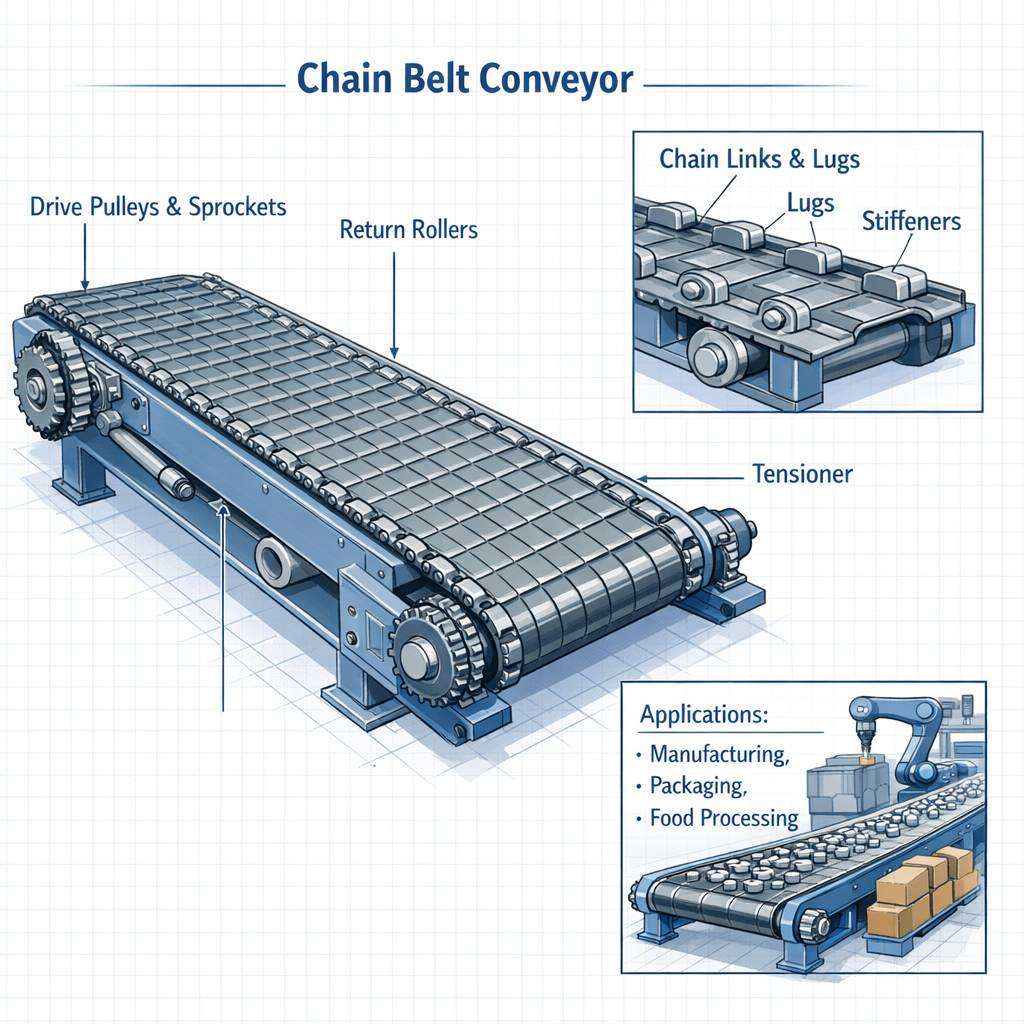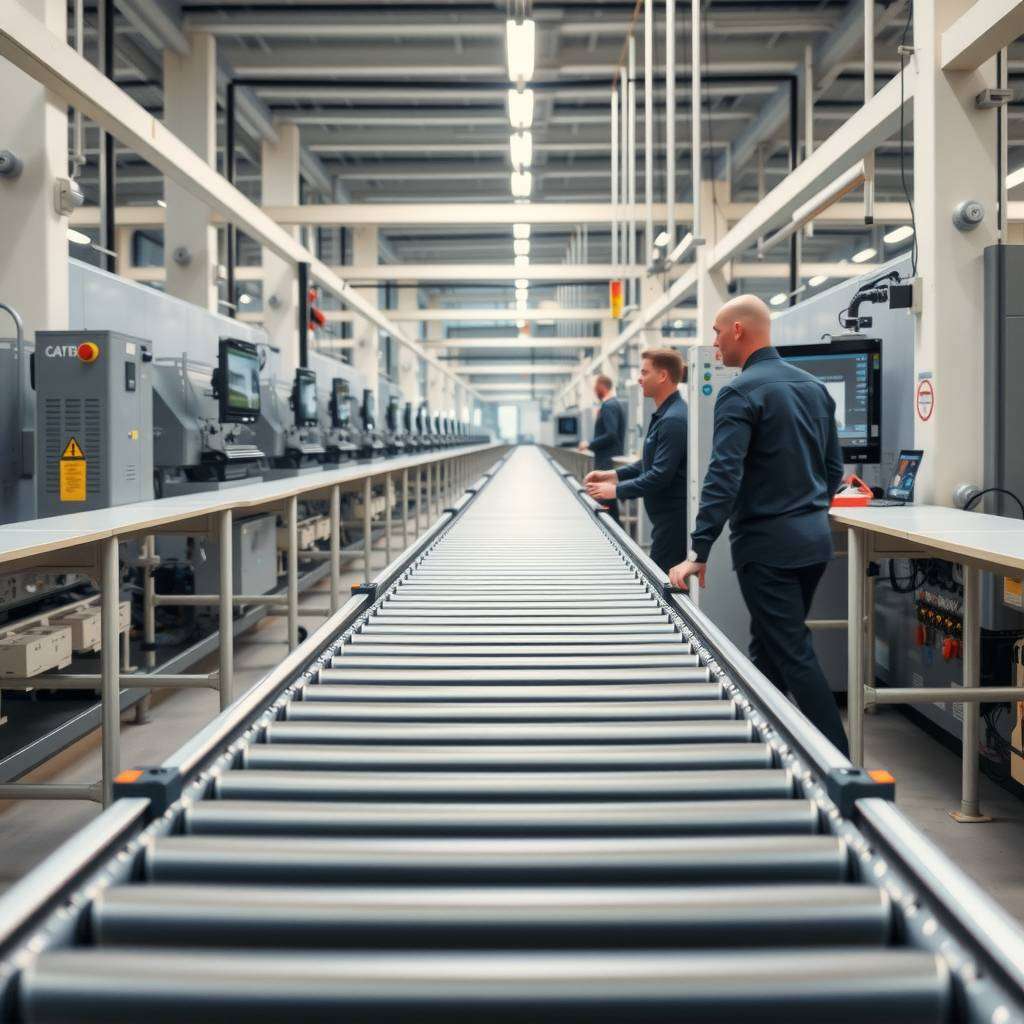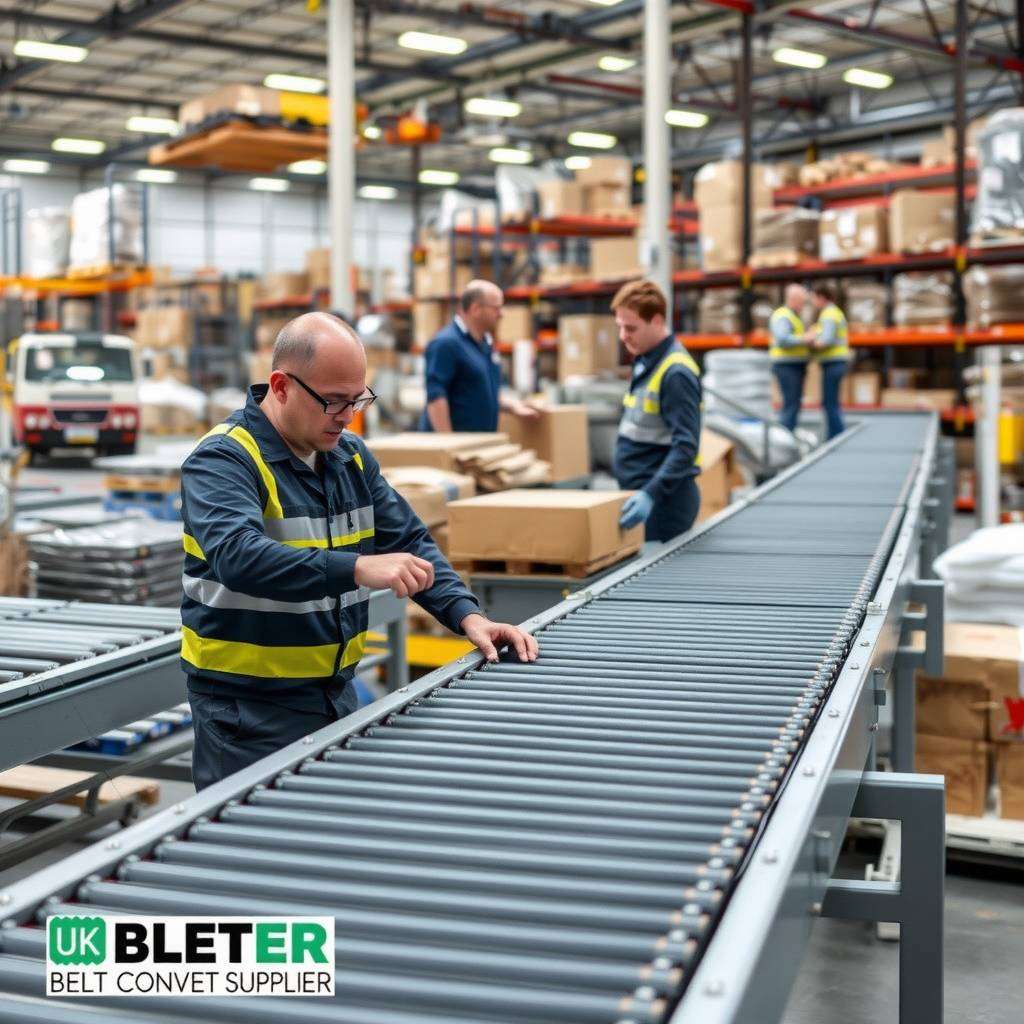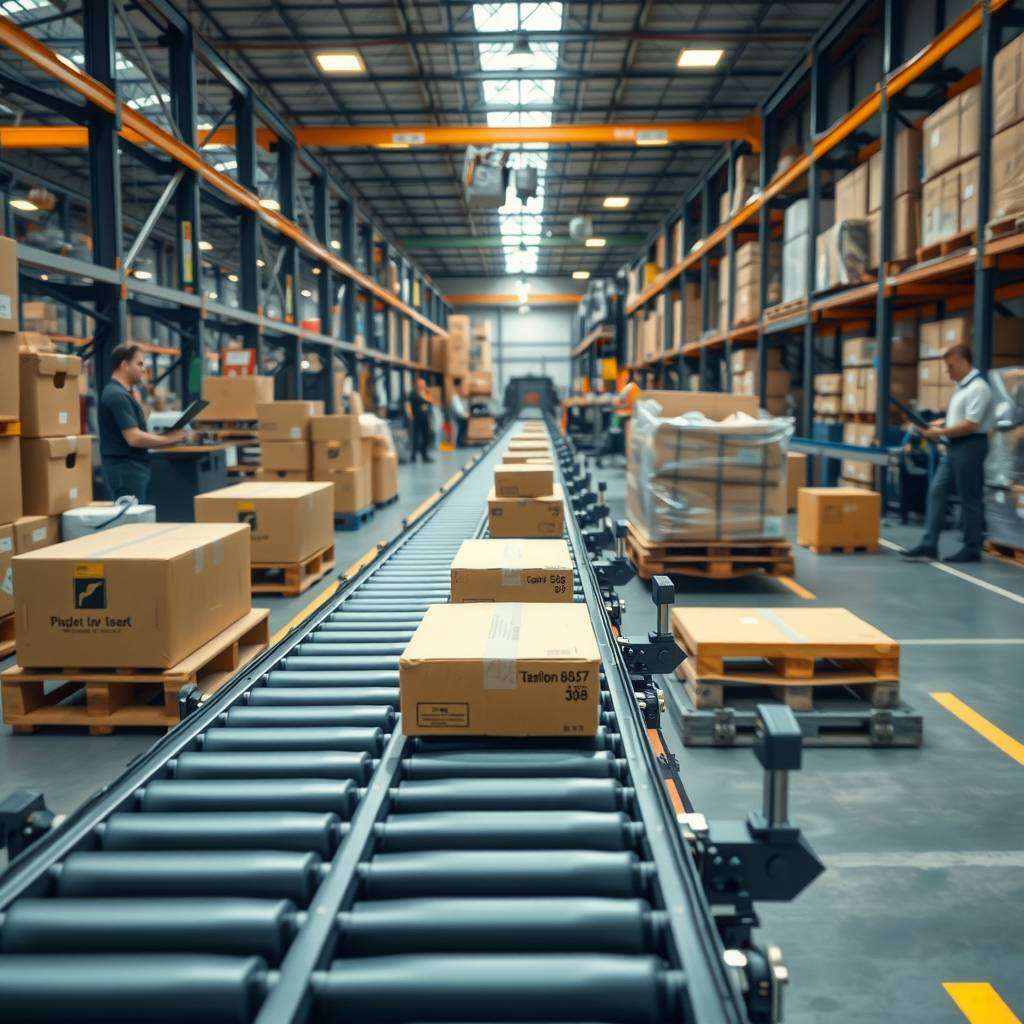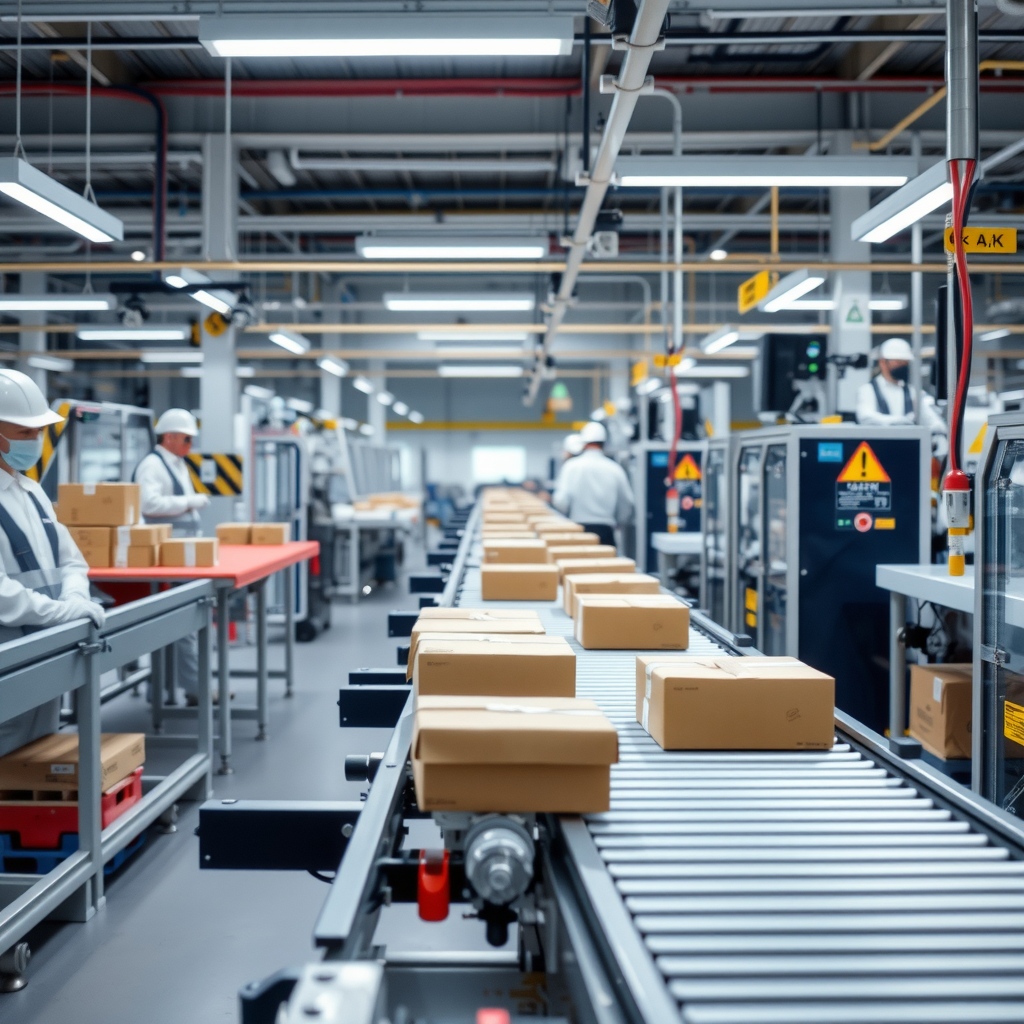
Conveyors move materials efficiently through factories, warehouses, and assembly lines, reducing manual handling and speeding production. Modern systems include rollers, belts, and gravity-fed tracks, each chosen for specific throughput and floor space. Innovations in automation, safety guards, and energy-efficient drives improve uptime and reduce downtime. For more inspiration on contemporary art and design intersections, see https://www.bridgetdonahue.nyc/exhibitions/mary-helena-clark/, where creative processes mirror efficient, thoughtfully arranged conveyors of ideas.
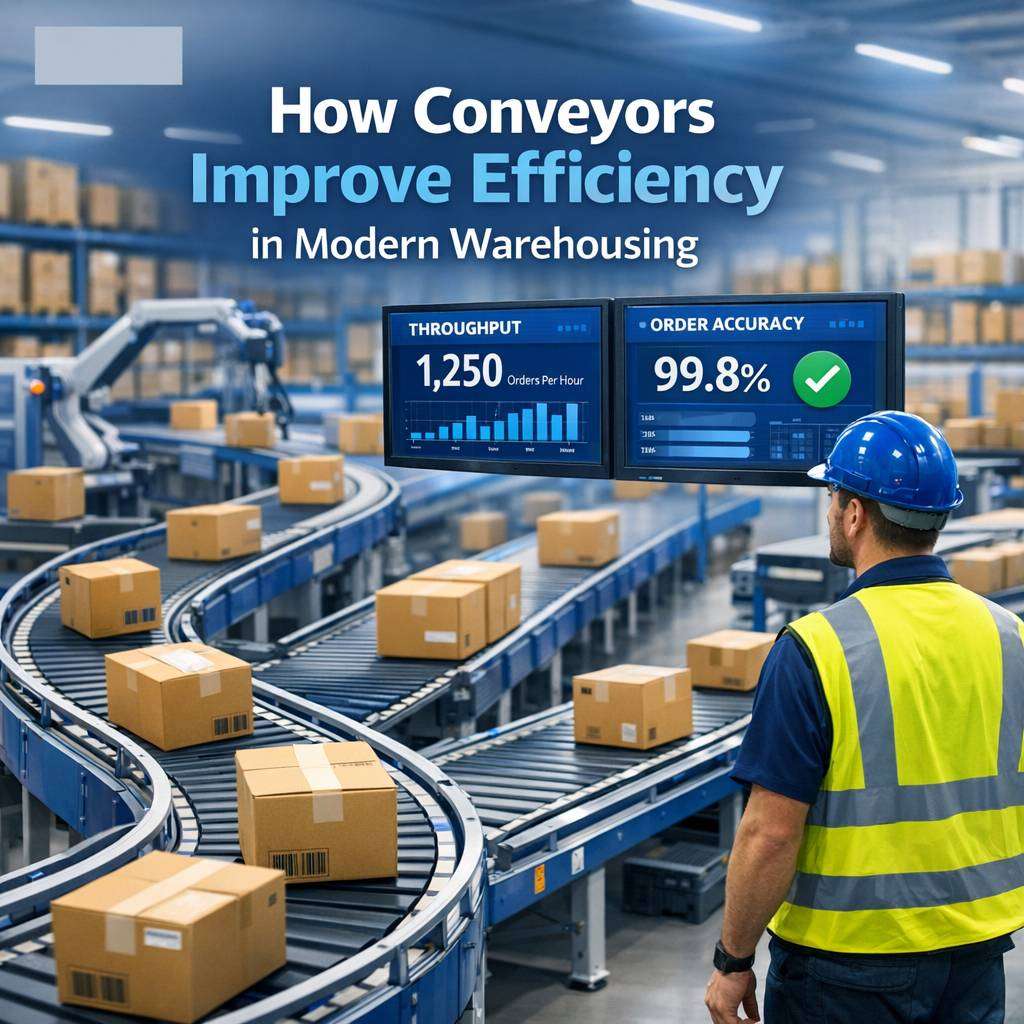
In the fast-paced world of modern logistics, warehouses must operate with precision, speed, and reliability to meet customer expectations. Conveyors are foundational elements of contemporary warehousing, enabling continuous, hands-free movement of goods through reception, storage, pick, pack, and dispatch zones. This article examines how conveyor systems optimise throughput, accuracy, space utilisation, and labour dynamics, and why they are a strategic investment for operations seeking to boost efficiency.
Conveyors form the backbone of an efficient material flow, guiding items through a meticulously choreographed sequence from inbound to outbound processes. By automating the transfer of goods between workstations, conveyors reduce handling time and diminish manual bottlenecks. In practical terms, this translates to shorter cycle times, higher order accuracy, and improved utilisation of warehouse personnel for value-added tasks rather than repetitive transport.
One of the most compelling reasons to deploy conveyor systems is the dramatic improvement in throughput. Modern conveyors can be configured for high-speed transfer, with modules designed to accommodate diverse product dimensions, weights, and packaging. From gravity rollers that move items along slopes to powered rollers and belt conveyors that control speed and direction, the spectrum of systems enables continuous flow without the need for constant operator intervention. This continuous flow is particularly impactful in high-volume facilities where even marginal gains in movement speed accumulate into substantial productivity increases over the course of a shift.
Space utilisation is another critical factor where conveyors deliver tangible benefits. Conveyors optimise vertical and horizontal space by enabling multi-tier layouts and streamlined routing. With well-planned layouts, goods can bypass congested zones and travel directly to the next process stage, minimising the footprint required for manual handling stations. This is especially valuable in industries with bulky or irregularly shaped items, where conventional handling would demand significant square footage for storage and transit. Furthermore, conveyors support compact, cross-docking configurations, reducing the need for temporary storage and accelerating the flow from receiving to shipping.
Accuracy and traceability are enhanced through the integration of conveyor systems with warehouse control software and automation platforms. When paired with scanning, sortation, and routing technologies, conveyors ensure that items are directed to the correct destination with verifiable movement data. Automated sortation and lane assignment reduce the probability of mis-shelving or misrouting, which directly impacts order accuracy and customer satisfaction. The data generated by these systems also supports performance monitoring, maintenance planning, and continuous improvement initiatives, enabling managers to identify trends, pin-point inefficiencies, and quantify the impact of changes.
Labour optimisation is a central tenet of modern warehousing efficiency, and conveyors help redeploy human resources to higher-value activities. By removing many routine transport tasks from the operator’s workload, staff can focus on picking, packing, quality checks, or value-added services such as kitting and quality assurance. In addition, conveyors contribute to safer operations by reducing repetitive lifting and carrying, which lowers the risk of workplace injuries and associated downtime. The resulting improvement in both productivity and morale can have a compounding effect on output and service levels.
Flexibility is an essential characteristic of contemporary conveyor systems. Warehouses often experience shifting demand patterns, seasonal spikes, and evolving product ranges. Modern conveyors can be reconfigured or expanded with minimal disruption, using modular components, adjustable speeds, and swappable transfer points. This adaptability ensures that facilities can respond to market dynamics without incurring prohibitive capital expenditure or extensive downtime. In addition, conveyors support omni-channel operations, enabling seamless handoffs between e-commerce, retail, and wholesale channels, and ensuring consistent performance across diverse fulfilment scenarios.
Energy efficiency is increasingly a consideration in modern facilities. Efficient conveyor designs incorporate low-energy motors, regenerative braking, and intelligent controls that ramp down during low-demand periods. Coupled with automation software, these systems optimise run profiles, reduce idle time, and minimise peak electrical load. Over the life of the equipment, energy-conscious conveyors can contribute meaningful reductions in operating costs and environmental impact, aligning logistics practices with broader sustainability goals.
Safety, compliance, and maintenance are integral to the reliable performance of conveyor networks. Proper installation, guarding, and interlocks protect workers while ensuring smooth operation. Regular preventive maintenance, predictive analytics, and proactive component replacements minimise unplanned downtime and extend system longevity. Furthermore, the integration of conveyors with safety systems, such as light curtains and scan-based verification, enhances compliance with quality and regulatory standards. A well-maintained conveyor network not only preserves throughput but also sustains the reliability that customers rely on.
Sortation systems represent a key capability within conveyor networks, enabling high-accuracy distribution of items to specific destinations. Throughput can be massively increased when goods are automatically directed to the correct receiving dock, pack station, or storage zone. Sorters come in several configurations, including chutes, cross-belt, tilt-tray, and pushers, each suited to particular product profiles and process requirements. When designed in harmony with overall warehouse layout, sortation reduces travel time, minimises handling, and accelerates order completion.
Collaboration between automation and human operators is essential for maximum efficiency. Conveyors do not simply replace manual handling; they enable smarter workflows where people and machines complement one another. For example, pick-from-conveyor systems allow operators to retrieve items directly from the belt, shortening travel distance and enabling faster order assembly. In other scenarious, conveyors can feed directed pick modules where operators assemble orders in a designated zone, coordinating with automated storage and retrieval systems to maintain a steady, optimised flow.
In summary, conveyors deliver a suite of benefits that collectively enhance efficiency in modern warehousing. They accelerate throughput, improve space utilisation, boost accuracy and traceability, optimise labour allocation, provide adaptable configuration for changing demands, promote energy efficiency, and support robust safety and maintenance practices. For organisations seeking to elevate performance, a well-conceived conveyor strategy—integrating compatible conveyor systems with software, sortation, and automated storage—represents a prudent and impactful investment. As fulfilment pressures continue to rise, the warehousing ecosystem that combines intelligent design with reliable conveyor technology will be better positioned to meet today’s service levels while controlling cost and risk.
Conveyors streamline operations by moving materials efficiently and safely across production lines. This system enhances productivity, reduces manual handling, and supports scalable automation. For more details, visit https://www.conveyor.com/platform/security-questionnaire-automation-software.
Conveyors dramatically improve material handling efficiency in modern warehouses and factories. When selecting the right setup, consider belt speed, load capacity, maintenance access, and safety features that minimize downtime. To learn a practical timing workaround, see this resource for stopping a conveyor for a certain amount of time: https://forum.visualcomponents.com/t/stop-a-conveyor-for-a-certain-ammount-of-time/5313.
Conveyors streamline material handling, boosting efficiency and throughput in warehouses, factories, and distribution centers. They reduce manual labor, improve accuracy, and support continuous production cycles. Explore reliable options and expert guidance to design an ergonomic, scalable solution. Visit conveyors.