Author: Barry Grant (page 2 of 5)

The Ultimate Guide to Belt Conveyors: Types, Applications, and Benefits

Belt conveyors are a vital component in the realm of material handling, streamlining processes in a diverse range of industries. From transporting bulk materials to supporting complex manufacturing systems, these conveyors facilitate efficiency and productivity. In this guide, we will explore the various types of belt conveyors, their applications, and the benefits they offer, providing insights for businesses seeking to optimise their operations through advanced conveyor solutions.

Belt conveyors are essential tools in various industries, streamlining the movement of materials and enhancing productivity. They effectively transport goods over short and long distances, proving invaluable in manufacturing, warehousing, and distribution. By minimizing manual handling, belt conveyors improve safety and efficiency in operations. Industries can benefit greatly from customized solutions tailored to their specific needs. For more information on the best belt conveyors available, visit https://conveyorrollers.co.uk.

Understanding Belt Conveyors

Belt conveyors are mechanical systems comprising a continuous loop of material transport, utilising a belt that moves along two or more pulleys. The design of a belt conveyor allows it to function effectively in various settings, from small warehouses to expansive industrial plants. The belt can be made from different materials, including rubber, fabric, and metal, each selected based on the specific application requirements, such as load weight, environment, and temperature.

The versatility of belt conveyor systems makes them integral to multiple industries, including manufacturing, agriculture, food production, and warehousing. By transporting products smoothly and consistently, they reduce manual labour and the risk of injury, while minimising operational bottlenecks.

Types of Belt Conveyors

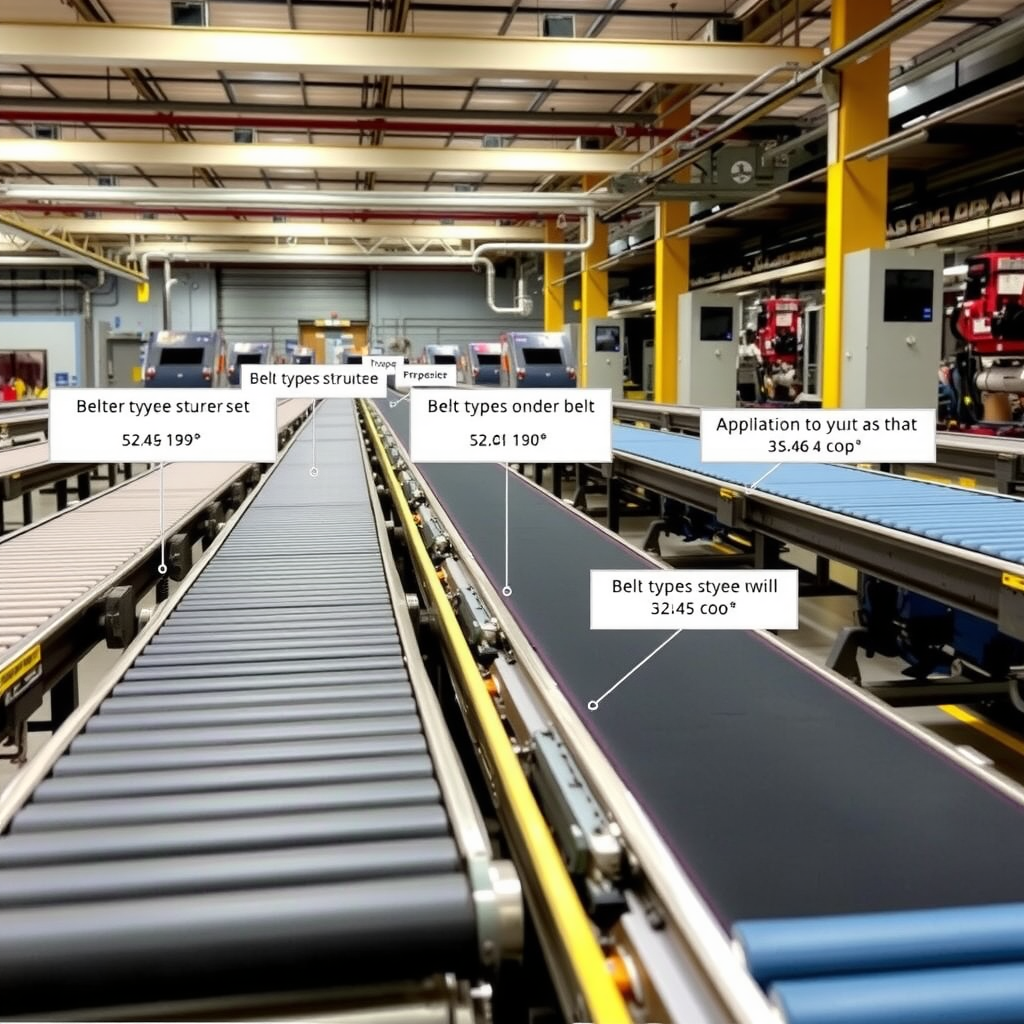
Belt conveyors come in various types to suit different purposes. Among them, we have standard flat belt conveyors, inclined belt conveyors, and the more specialised chain driven belt conveyor.

Standard Flat Belt Conveyors

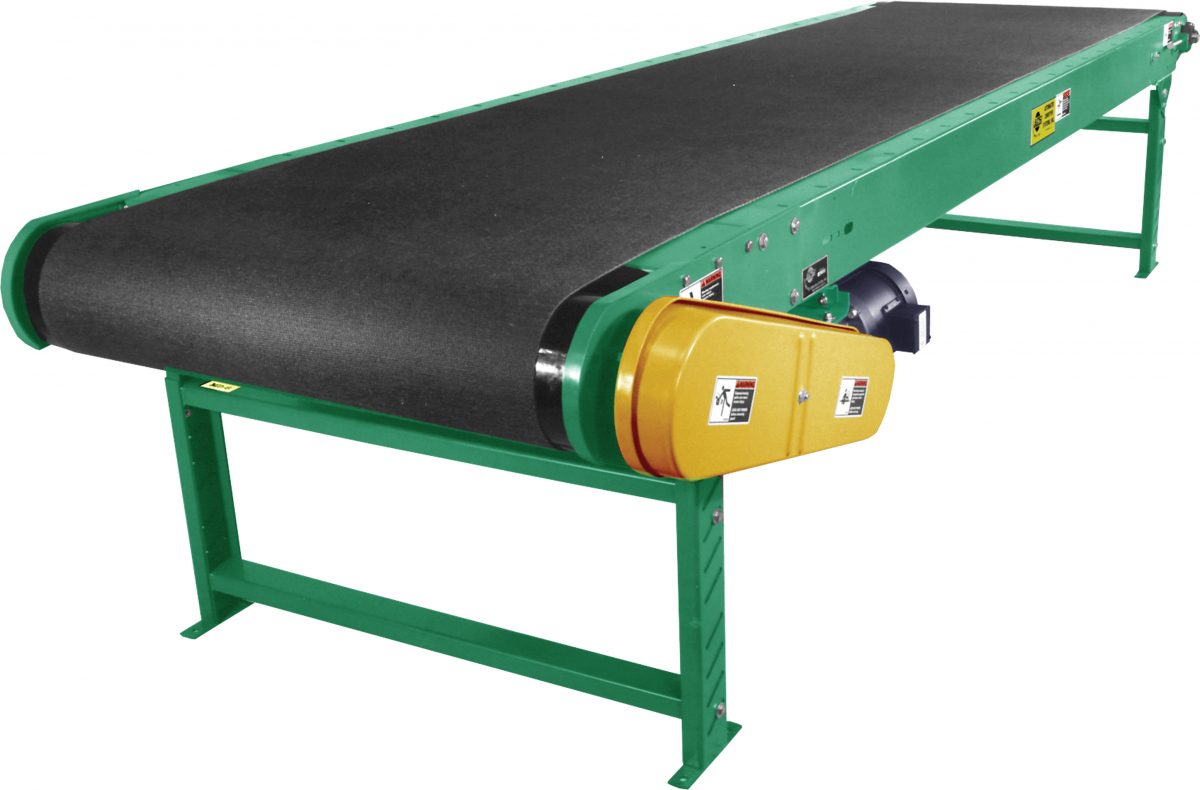
Standard flat belt conveyors feature a simple design and are widely used for transporting bulk materials or packaged goods across horizontal distances. Their straightforward structure allows for easy maintenance and adaptability to numerous applications. They can be found in assembly lines, packaging operations, and distribution hubs, providing reliable transport solutions.

Inclined Belt Conveyors

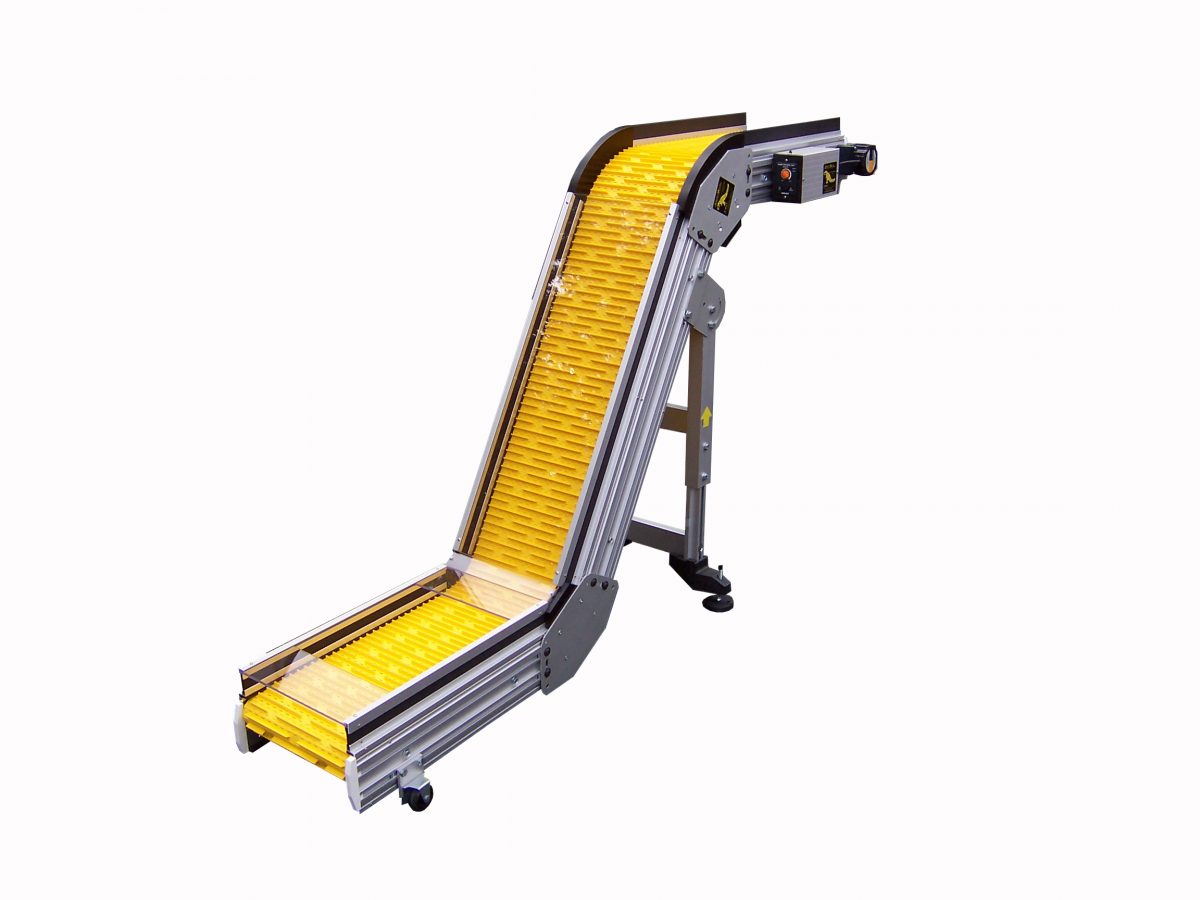
Inclined belt conveyors are designed to carry materials between different elevation levels. With the ability to transport items upward or downward, their angled configuration is ideal for applications such as moving products from a low platform to a higher loading area. These systems are often equipped with features such as side walls or cleats to keep materials in place during transit, ensuring safe and efficient movement.

Belt conveyors are essential for efficiently transporting materials across various industries. They offer a reliable and cost-effective solution for moving goods, enabling seamless production processes. Whether in manufacturing, warehouses, or logistics, these systems enhance workflow and reduce manual labor. For an extensive range of high-quality belt conveyors, visit conveyorrollers.co.uk. With their durable design and customizable options, belt conveyors help optimize operations and increase productivity, making them a vital component in modern industrial settings.

Chain Driven Belt Conveyors

The chain driven belt conveyor system combines the benefits of both chain and belt technologies, providing enhanced load-carrying capabilities. This type is well-suited for heavy and bulky items that require additional support during transport. Industries such as automotive and heavy machinery often make use of this conveyor type, taking advantage of its robust design to handle demanding operational tasks.

Applications of Belt Conveyors

The applications of belt conveyors are extensive, essentially wherever materials need to be moved in a controlled manner. In the manufacturing sector, they play a crucial role in assembly lines, moving products between different stages of production. In the food processing industry, belt conveyors are used to transport raw materials, packed goods, and ingredients, adhering to strict hygiene and safety standards.

In warehouses, a warehouse belt conveyor can significantly enhance productivity. By automating material handling, companies reduce reliance on manual labour, increasing efficiency in sorting, packing, and dispatching products. Distribution centres also benefit from belt conveyor systems, where they facilitate the rapid movement of goods to and from loading docks, optimising inventory management and order fulfilment.

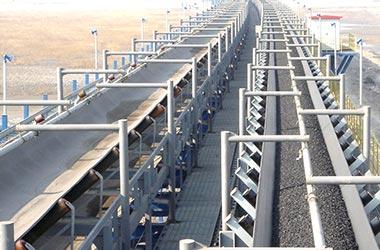
Moreover, the mining and agricultural sectors utilise belt conveyors for transporting bulk commodities such as coal, grain, and aggregate. Their ability to operate in varied environments, including outdoor settings, makes them ideal for these industries, where efficiency and reliability are critical.

Benefits of Implementing Belt Conveyor Systems

The advantages of incorporating belt conveyors into operational workflows are significant. Firstly, they enhance operational efficiency by reducing the time and effort required for material handling. This allows businesses to redirect their workforce to more value-adding tasks, leading to increased productivity.

Secondly, belt conveyor systems can improve workplace safety. By automating material transport, they minimise the hazards associated with manual lifting and carrying. Conveyor systems also allow for consistent product flow, reducing the risk of accidents related to overcrowding or obstruction in production areas.

Another notable benefit is the adaptability of these systems. With the ability to customise conveyor setups based on specific requirements, businesses can optimise their operations further. Whether opting for a chain belt conveyor for heavy loads or a belt conveyor small enough for delicate items, the flexibility in design allows companies to address their unique challenges effectively.

Finally, belt conveyors can significantly reduce maintenance costs. High-quality materials and advanced engineering ensure durability and longevity, resulting in lower operational downtime and less frequent replacements. By working with a reliable belt conveyor supplier or manufacturer, companies can also benefit from tailored solutions and ongoing support to maintain their systems efficiently.

Belt conveyors remain a cornerstone of modern material handling, offering solutions that enhance operational efficiency, worker safety, and flexibility across various industries. Choosing the right type of conveyor and understanding its applications can lead to substantial improvements in productivity and cost-effectiveness for businesses of all sizes.

FAQ About Belt Conveyors

What are belt conveyors?

Belt conveyors are continuous moving mechanical systems that transport materials or products from one location to another. They consist of a long belt, usually made of rubber or fabric, which is looped over pulleys and powered by an electric motor.

How do belt conveyors work?

Belt conveyors operate on the principle of friction between the surface of the conveyor belt and the objects being moved. The motor drives the pulley system at one end, causing the belt to move in a continuous loop, transporting materials placed on top.

What are the advantages of using belt conveyors?

Belt conveyors offer several advantages:

  • Efficiency: They can transport large quantities of material quickly and continuously.
  • Versatility: Suitable for various industries and applications, from mining to food processing.
  • Low Maintenance: Once installed, they require minimal maintenance compared to other types of conveying systems.

What materials can be transported using belt conveyors?

Belt conveyors can transport a wide range of materials including:

  • Bulk products like grains or coal
  • Packaged goods such as boxes or bags
  • Loose items like pellets or parts

Are there different types of belt conveyors?

Yes, there are several types including:

  • Flat Belt Conveyors: Used for transporting general goods.
  • Modular Belt Conveyors: Composed of interlocking plastic segments; suitable for heavy loads and tight spaces.
  • Inclined/Declined Belt Conveyors: For moving items up or down inclines.

Can I customise my belt conveyor system?

Absolutely! Many manufacturers offer customisable options based on your specific requirements. This includes changes in size, material type, speed settings, and additional features like side rails and sensors.

What industries commonly use belted conveyor systems?

Belt conveyors find applications across various industries such as:

  • Mining & Minerals
  • Manufacturing & Assembly
  • Food Processing
    • Packaging & Distribution

How do I determine which type of belt conveyor is right for my application?

To choose the right type:

  1. Identify what materials you need to convey.
  2. Assess distance requirements (length) and elevation changes (incline).
  3. Consider environmental factors (temperature extremes) that may affect performance.

Consulting with a conveyor system specialist can help ensure you select an appropriate solution for your needs.

Is safety a concern with belt conveyors?

Yes! While generally safe when properly designed and maintained, risks may include entanglement or pinch points. It’s important to follow safety guidelines during operation such as training staff properly and installing guards where necessary.


Feel free to reach out if you have any other questions regarding how our services might assist with your specific needs involving belted conveying technology!
The Ultimate Guide to Choosing the Right Conveyer Rollers for Your Business

Conveyer rollers are essential components in material handling systems, significantly improving efficiency and safety in warehouses and factories. For high-quality options and expert advice, you can explore more about these vital tools at https://conveyorrollers.co.uk.

When it comes to optimising the efficiency and productivity of your business operations, selecting the right conveyor rollers is paramount. From manufacturing plants to distribution centres, the choice of rollers for conveyors can significantly impact material handling systems. In this guide, we will explore the various types of conveyor rollers available in the market, helping you make an informed decision on the ideal rollers for your business needs.

Understanding the Different Types of Conveyor Rollers

Conveyor rollers come in various shapes, sizes, and materials, each serving a specific function. Understanding the different types will enable you to make more informed choices.

Plastic Conveyor Rollers

Plastic conveyor rollers have gained immense popularity due to their lightweight nature and corrosion resistance. These rollers are often used in environments where moisture, chemicals, or other corrosive agents may be present, making them perfect for food processing plants and pharmaceutical companies.

Advantages of plastic conveyor rollers include:

  • Corrosion Resistance: They are less susceptible to rust compared to metal rollers.
  • Weight Considerations: Their lighter weight can reduce energy costs in driven roller systems.
  • Low Noise Operation: They offer quieter operation, especially beneficial in environments where sound levels may be a concern.

If your operations include handling lightweight products or materials, plastic conveyor rollers could be an excellent choice.

Driven Rollers

Driven rollers are designed to move products along conveyor systems, making them vital to any automated material handling setup. They are often used in powered conveyor systems, where the goal is to provide efficient movement of goods.

Key considerations for choosing driven rollers include:

  • Power Source: Understanding whether your system will require electrical power, pneumatic power, or gravity-driven solutions.
  • Roller Diameter: Select the appropriate diameter for driven rollers based on the type of products they will carry, as larger diameters can transport heavier loads more effectively.
  • Surface Texture: Sprocket rollers, for example, typically have a textured surface designed to enhance grip. This is particularly important in environments that require precise control over product movement.

Utilising the right driven rollers can significantly enhance throughput and reduce energy consumption in your operations.

Conveyor rollers are essential components in various industries, facilitating the smooth and efficient movement of goods. These rollers come in various sizes and materials, designed to meet specific operational requirements. Proper selection of conveyor rollers enhances performance, reduces wear, and minimizes maintenance costs. By investing in high-quality options, businesses can boost productivity and streamline their operations. For a wide range of durable solutions, check out conveyer rollers tailored to meet your needs.

FAQ: Conveyer Rollers

What are conveyer rollers?

Conveyer rollers are cylindrical components used in conveyor systems to support and guide materials as they move from one location to another. They facilitate the smooth movement of goods by allowing them to roll effortlessly along a conveyor belt or track.

What are the different types of conveyer rollers?

There are various types of conveyer rollers, including:

  • Idler Rollers: These do not drive the belt but support its weight.
  • Drive Rollers: These provide propulsion for the conveyor system.
  • Return Rollers: Used on the underside of a belt, they help return it to its starting position.
  • Impact Rollers: Designed for areas where loads may fall onto them, providing additional protection and support.

How do I choose the right conveyer rollers for my application?

Selecting the appropriate conveyer rollers involves considering several factors:

  • The weight and size of materials being transported
  • The speed at which materials will be moved
  • Environmental conditions (e.g., temperature, moisture)
  • Compatibility with existing conveyor systems

Consulting with an industry expert can also help ensure you find suitable options.

What materials are commonly used in conveyer roller manufacturing?

Conveyer rollers can be made from various materials depending on their intended use:

  • Steel: Known for strength and durability; often used for heavy-duty applications.
  • Aluminum: Lightweight and resistant to corrosion; ideal for lighter applications.
  • Plastic: Resistant to chemicals and moisture; suitable for food handling or pharmaceutical environments.

How do I maintain my conveyer rollers?

Regular maintenance is crucial to ensure optimal performance. Here are some tips:

  1. Inspect regularly for wear or damage.
  2. Clean your rollers free from debris or buildup that could affect performance.
  3. Lubricate bearings periodically as per manufacturer recommendations.
  4. Replace any worn or damaged parts promptly.

Where can I buy high-quality conveyer rollers?

High-quality conveyer rollers can be purchased from industrial supply companies, specialised manufacturers, or online retailers that focus on material handling equipment. Ensure you read reviews, check product specifications, and ask about warranties before making a purchase.

Can I customise my conveyer rollers?

Yes! Many manufacturers offer customisation options such as specific dimensions, material choices, coatings (like rubber), bearing types, and load capacities tailored to meet individual requirements needed in your application.

How do I install conveyer rollers properly?

Installation typically requires following these basic steps:

  1. Ensure all components of your conveyor system are aligned correctly before installation begins.
  2. Use appropriate tools based on your roller type – some may require tightening bolts while others might use snap rings or clips for secure placement.
  3. Attend carefully following manufacturer guidelines provided with your products during installation processes.

For more complex setups or larger systems involving multiple features/rods connecting together into one unit – consider consulting professionals who specialise in installation services!

Specialised Rollers

Besides the standard plastic and driven rollers, businesses may require specialised conveyor rollers to handle specific tasks effectively.

Grooved Rollers

Grooved rollers are designed with channels or grooves, providing enhanced grip for products that may otherwise slip during transit. These rollers are particularly useful for transporting items that require a secure hold, such as cardboard boxes or irregularly shaped goods.

The key benefits of grooved roller systems include:

  • Enhanced Stability: The grooves on the roller surface prevent items from slipping off during transit, minimising the risk of damage.
  • Versatility: They can be used in both powered and unpowered conveyor systems, making them a flexible choice for various applications.
  • Durability: Often made from robust materials, grooved rollers can withstand heavy loads and challenging working environments.

For operations facing challenges with product stability, incorporating grooved rollers into your conveyor system might be the solution you need.

UK Rollers

As a business operating in the UK, it is vital to consider the local suppliers when selecting conveyor rollers. UK rollers are typically manufactured to meet industry standards, ensuring compliance with local regulations.

Choosing local suppliers has advantages, including:

  • Quick Delivery Times: Reduced lead times contribute to improved operational efficiency.
  • Availability of Support: Local suppliers can offer on-site support, maintenance, and replacement services, ensuring minimal downtime.
  • Familiarity with Regulations: UK manufacturers are more likely to understand local safety and operational regulations, reducing the chances of compliance issues.

When evaluating suppliers, consider their reputation in the local market, their experience with your industry, and their range of available products.

Conclusion

In the competitive landscape of modern business, selecting the right conveyor rollers is crucial for operational efficiency. Understanding the various options available, including plastic conveyor rollers, driven rollers, and specialised solutions like grooved rollers, will empower you to choose the ideal setup for your material handling needs. Additionally, sourcing from local UK suppliers ensures compliance and reduces downtime, giving you a competitive edge in your operations.

By considering these factors, your business can optimise its conveyor systems, enhance productivity, and ultimately achieve higher operational success.

How to Choose the Right Belt Conveyor for Your Business Needs

Choosing the right belt conveyor for your business needs is a critical decision that can impact operational efficiency, productivity, and overall workflow. With a myriad of options available in the market, understanding the different types of belt conveyors, their applications, and how they fit within your operational needs is essential. This guest post provides a comprehensive guide to help you select a belt conveyor that best meets your requirements.

Understanding the Different Types of Conveyors

Before diving into specific types of belt conveyors, it’s important to grasp the fundamental role they play in industrial settings. Belt conveyors are mechanical transport systems used to move materials from one location to another efficiently. They consist of a continuous loop of material, commonly fabricated from rubber, plastic, or metal, which is driven by one or more pulleys.

A belt conveyor is an essential component in many industrial processes, offering efficient transportation of materials across various distances. Its versatility allows for smooth movement of bulk goods, increasing productivity and reducing manual labor. When looking for high-quality components and support for belt conveyors, consider visiting https://conveyorrollers.co.uk for expert solutions tailored to your needs.

Inclined Belt Conveyor

An inclined belt conveyor is designed for transporting materials at an angle, making it particularly useful for elevating products from one level to another. This type of conveyor is vital in applications where a vertical lift is required, such as in warehouses and manufacturing plants. When selecting an inclined belt conveyor, consider factors such as the angle of elevation, the weight of the materials being transported, and the space available for installation. Ensuring that the incline is not too steep can prevent materials from sliding off during transit. Moreover, you can opt for side guards or cleated belts for added safety.

Horizontal Belt Conveyor

In contrast to inclined systems, horizontal belt conveyors are ideal for moving materials across a level surface. They are one of the most commonly used conveyor systems, with applications ranging from packaging to assembly lines. When evaluating a horizontal belt conveyor, factors such as belt width, load capacity, and speed are paramount. It is also crucial to assess the design of the conveyor in terms of accessibility for maintenance and integration with other machinery. A good horizontal belt conveyor reduces the time taken to transport materials, thereby enhancing workflow in your operations.

Industrial Belt Conveyor

Industrial belt conveyors cater to a wide range of heavy-duty applications, making them ideal for manufacturing, mining, and bulk material handling industries. When selecting an industrial belt conveyor, factors such as environmental conditions, load capacity, and the type of materials being transported must be considered. Additionally, durability and strength are essential; therefore, choosing a reputable belt conveyor supplier that offers sturdy and reliable options is vital. Industrial-grade materials should stand up to the corrosive effects of chemicals, moisture, and extreme temperatures, ensuring a longer lifespan for your conveyor system.

Roller Belt Conveyor

The roller belt conveyor is a hybrid system that combines standard belt mechanisms with rollers to facilitate easier movement of heavy or awkwardly shaped items. These conveyors are typically used in warehouse environments, where product distributions and logistics are critical. When looking for roller belt conveyors, you should pay attention to the spacing of rollers, as closer spacing can lead to more stability for smaller items. Additionally, consider the motors used to power the rollers, as this can affect the efficiency and speed of operations.

Finding Reliable Belt Conveyor Suppliers

With numerous belt conveyor suppliers on the market, selecting the right one can be a daunting task. Start your search by evaluating the supplier’s reputation within the industry. Look for client testimonials and case studies that demonstrate successful implementations of their conveyor systems. Furthermore, assess their after-sales service for maintenance and support, as this can significantly affect your operations in the long term. A reputable belt conveyor supplier should provide detailed product information, including specifications and warranty terms, to ensure that you are making an informed decision.

Exploring Belt Conveyor Systems for Sale

When searching for belt conveyor systems for sale, it is beneficial to consider both new and refurbished options. New conveyor systems often come equipped with the latest technology and specifications tailored to specific operational needs. On the other hand, refurbished systems can offer significant savings while providing an excellent performance track record. Whichever option you choose, make sure to have a comprehensive understanding of the system’s design, performance metrics, and integration capabilities with existing setups.

In summary, while the process of selecting the right belt conveyor may appear complex, approaching it with a clear understanding of your specific business needs and potential applications can simplify the decision-making process. By considering factors such as the type of conveyor, environmental conditions, the reputation of suppliers, and available systems for sale, businesses can optimise their operations and ensure efficient material handling practices.

The Essential Guide to Choosing the Right Conveyors for Your Business

In today’s fast-paced industrial environment, the efficacy of your operations can heavily depend on the systems you employ. An essential component of many manufacturing and warehousing processes is the conveyor. Whether you’re looking to transport goods across a factory floor or streamline item handling in a distribution centre, selecting the right conveyors is crucial. This guide will help you navigate the complexities of conveyor selection, enabling you to make informed decisions tailored to your specific needs.

Conveyor systems come in various shapes and sizes, each designed for specific tasks. With an array of options available—ranging from belt conveyors to roller systems—ensuring that you choose the right one can significantly enhance productivity, increase efficiency, and reduce operational costs. To simplify the selection process, it’s important to consider several key factors that influence the performance of conveyor systems.

Assess Your Operational Needs

Before diving into the technical specifications of various conveyor systems, it’s vital to evaluate your operational needs. Start by asking yourself the following questions:

What products will be transported? The nature of the items you need to move is paramount. Are they heavy, bulky, fragile, or perishable? The type of product will heavily influence the kind of conveyor you need. For example, heavy items may require sturdy belt conveyors, while fragile items might necessitate gentler handling solutions, such as slat or modular conveyors.

What distance does the conveyor need to cover? The length and layout of the conveyor system should be tailored to the workflow of your facility. Long distances may require more robust motors and longer belt spans, while shorter runs might benefit from more compact designs.

How frequently will the conveyor be used? Understanding the operational demands will help you gauge the conveyor’s required durability and maintenance needs. If it’s set to run continuously, investing in a higher-quality system might save you money in the long run through reduced wear and tear.

By answering these critical questions, you can narrow down your options and focus on conveyor types that align with your operational requirements.

Conveyors play a crucial role in modern logistics and material handling, enhancing efficiency and productivity in various industries. From manufacturing to warehousing, these systems streamline the movement of goods, reducing manual labor and minimizing operational costs. Businesses looking to explore the best conveyor solutions can visit https://conveyorrollers.co.uk for expert advice and a wide range of products. Upgrade your workflow today with reliable and innovative conveyor systems!

FAQ: Conveyors

What are conveyors?

Conveyors are mechanical devices used to transport materials or goods from one location to another within a facility. They are widely utilised in various industries, including manufacturing, warehousing, and logistics, to streamline processes and enhance efficiency.

What types of conveyors are available?

There are several types of conveyors designed for different applications, including:

  • Belt Conveyors: Use a flexible rubber or plastic belt to move materials.
  • Roller Conveyors: Utilise rollers mounted on frames to allow items to roll along the surface.
  • Chain Conveyors: Employ chains for moving heavy loads over long distances.
  • Screw Conveyors: Use rotating helical screws for moving bulk materials.
  • Pneumatic Conveyors: Transport materials through tubes using air pressure.

How do I choose the right conveyor for my needs?

Selecting the appropriate conveyor depends on several factors, such as:

  1. The type of material you need to transport (size, weight, fragility).
  2. The distance between loading and unloading points.
  3. Space constraints within your facility.
  4. Required speed and volume of material handled.
  5. Budget considerations.

Consulting with an expert can also help you make the best choice based on your specific requirements.

Are conveyors customizable?

Yes! Many conveyor systems can be customised based on specific operational needs. This may include adjusting dimensions, selecting different belt materials or roller sizes, incorporating safety features, or enabling automation integrations.

How do I maintain my conveyor system?

Regular maintenance is crucial for ensuring optimal performance and longevity of your conveyor system. Key maintenance tasks include:

  1. Routine inspections for wear and damage.
  2. Lubricating moving parts as recommended by the manufacturer.
  3. Cleaning surfaces regularly to prevent material buildup.
  4. Tightening any loose components or connections periodically.

Consulting user manuals provided by manufacturers can provide detailed maintenance guidelines tailored specifically for your system.

Can conveyors be automated?

Absolutely! Many modern conveyor systems can be integrated with automation technologies such as sensors and control systems that enhance operational effectiveness by optimising flow rates and reducing manual handling requirements.

What industries use conveyors?

Conveyors are used across numerous industries including:

  • Manufacturing
  • Food processing
  • Automotive
  • Pharmaceuticals
  • Retail/warehouse distribution

Their versatility makes them integral in facilities where mass movement and handling of products occur frequently.

Are there safety concerns associated with using conveyors?

Yes, there are potential safety concerns when operating conveyers; some common issues include entrapment hazards or falls due to improper design/integration not adhering properly constructed access points surrounding their operation area . To mitigate these risks consider implementing proper training programs ,access controls around high-risk areas & regular equipment checks – among many other crucial workplace regulations necessary depending upon jurisdiction requirements .

If you have any more questions about conveyors not addressed here feel free reach out so we may assist further !

Conveyors are essential systems in various industries, streamlining the transportation of goods and materials. They enhance efficiency and reduce labor costs. Explore the different types and advantages of conveyors by visiting conveyors for more information.

Evaluate Conveyor Types

Conveyor systems are available in numerous configurations, and understanding the variations can guide you towards the most suitable choice for your business.

Belt Conveyors: These are the most common type of conveyor and are highly versatile. They consist of a continuous loop of material and can be used to transport a range of products—from boxes to bulk materials. Large items can be effectively handled, but you should assess the belt material for its suitability regarding heat resistance, corrosion resistance, and friction.

Roller Conveyors: These systems use gravity or power to move materials and are effective for transporting heavier items. Roller conveyors are often employed in environments like warehouses and distribution centres due to their ease of integration into existing systems.

Screw Conveyors: Best suited for moving loose materials such as grain, feed, or powdered items, screw conveyors offer an enclosed design that keeps the materials contained and reduces spillage.

Understanding the nuances of each type will allow you to select the most effective conveyor system for your application, ensuring seamless integration into your existing processes.

Consider Installation and Maintenance Requirements

Once you’ve identified the right type of conveyor for your application, it’s essential to consider the installation and maintenance requirements.

Installation Complexity: Some conveyor systems may require elaborate installation processes that involve multiple components and expert knowledge. Before purchasing, consult with suppliers about potential installation timeframes and any necessary structural adjustments to your facility.

Maintenance Needs: Like any machinery, conveyors require regular maintenance to stay operational. Assess the type of maintenance each system demands—mechanical wear, cleaning, and lubrication might be necessary for some systems. Opting for systems with easier maintenance profiles could reduce downtime and lower operational costs.

Future Scalability: As your business grows, your operational needs may evolve. Choosing conveyor systems that can be easily expanded or upgraded will allow you to adapt without significant reinvestment or disruption.

Selecting the right conveyors for your business is not a decision to be taken lightly. By carefully assessing your operational needs, evaluating different conveyor types, and considering installation and maintenance aspects, you can make choices that will support your business’s long-term goals. The right conveyor system can not only enhance efficiency but also provide a competitive edge in your industry landscape.

Choosing the Right Conveyor System: Factors to Consider for Your Business

Selecting the right conveyor system is a critical decision that can significantly impact the efficiency and productivity of your operations. Conveyor systems are integral to various industries, facilitating the seamless movement of goods and materials through different stages of production, packaging, and distribution. However, with numerous options available on the market, understanding the key factors to consider when choosing a conveyor system is essential. This article aims to elucidate these critical factors, ensuring that you make an informed decision tailored to your business needs.

Understanding Your Operational Requirements

Before delving into specific conveyor types, it is crucial to have a thorough understanding of your operational requirements. Consider the following aspects:

  • Type of Materials: Different conveyor systems are designed to handle different types of materials, from lightweight packages to heavy and bulky items. Assess the nature of the items you will be transporting.

  • Volume and Speed: Consider the volume of goods that need to be moved and the required speed of the conveyor system. High-throughput operations may necessitate faster conveyor speeds and more robust systems.

  • Layout of Your Facility: The physical layout of your facility plays a vital role in the design of your conveyor system. An efficient layout will facilitate smooth material flow, minimise bottlenecks, and optimise space.

Type of Materials: Different conveyor systems are designed to handle different types of materials, from lightweight packages to heavy and bulky items. Assess the nature of the items you will be transporting.

Volume and Speed: Consider the volume of goods that need to be moved and the required speed of the conveyor system. High-throughput operations may necessitate faster conveyor speeds and more robust systems.

Layout of Your Facility: The physical layout of your facility plays a vital role in the design of your conveyor system. An efficient layout will facilitate smooth material flow, minimise bottlenecks, and optimise space.

Types of Conveyor Systems

A plethora of conveyor systems are available, each catering to different functionalities and industries. Understanding these types will help narrow down your options.

  • Belt Conveyors: Commonly used in various industries, belt conveyors are suitable for transporting a wide range of materials. They can handle unit loads and bulk materials efficiently, making them a popular choice.

  • Roller Conveyors: Ideal for accumulating products, roller conveyors utilise gravity or powered rollers to move materials. They are particularly beneficial for warehousing and packaging operations.

  • Chain Conveyors: These systems are designed for the transportation of heavy items. Chain conveyors provide durability and strength, making them suitable for automotive, metalworking, and other heavy industries.

  • Pneumatic Conveyors: Utilising air pressure to move materials, pneumatic conveyors are ideal for transporting powders, granules, and other particulate materials over short to medium distances.

Belt Conveyors: Commonly used in various industries, belt conveyors are suitable for transporting a wide range of materials. They can handle unit loads and bulk materials efficiently, making them a popular choice.

Roller Conveyors: Ideal for accumulating products, roller conveyors utilise gravity or powered rollers to move materials. They are particularly beneficial for warehousing and packaging operations.

Chain Conveyors: These systems are designed for the transportation of heavy items. Chain conveyors provide durability and strength, making them suitable for automotive, metalworking, and other heavy industries.

Pneumatic Conveyors: Utilising air pressure to move materials, pneumatic conveyors are ideal for transporting powders, granules, and other particulate materials over short to medium distances.

Consideration of System Flexibility

Flexibility is a crucial factor in choosing a conveyor system. The ability to adapt to changing requirements—such as changes in product line, seasonal variations, or process enhancements—can save time and money in the long run. Assess the potential for scalability in your chosen system:

  • Modular Systems: Modular conveyor systems offer the advantage of easy reconfiguration and expansion. If you anticipate changes in your production processes, modular systems should be at the forefront of your considerations.

  • Interchangeability: Opt for systems that allow for interchangeable components, which can simplify maintenance and reduce downtime.

Modular Systems: Modular conveyor systems offer the advantage of easy reconfiguration and expansion. If you anticipate changes in your production processes, modular systems should be at the forefront of your considerations.

Interchangeability: Opt for systems that allow for interchangeable components, which can simplify maintenance and reduce downtime.

Maintenance and Durability

Maintenance is an inevitable aspect of operating any machinery, including conveyor systems. Therefore, consider the following elements related to maintenance and durability:

  • Ease of Maintenance: Look for conveyor systems with accessible components to minimise downtime and simplify routine checks. Regular maintenance is essential for keeping your operations running smoothly.

  • Material Quality: The quality of materials used in the construction of the conveyor will directly influence its lifespan. Assess the durability of various options to reduce the frequency of replacements.

Ease of Maintenance: Look for conveyor systems with accessible components to minimise downtime and simplify routine checks. Regular maintenance is essential for keeping your operations running smoothly.

Material Quality: The quality of materials used in the construction of the conveyor will directly influence its lifespan. Assess the durability of various options to reduce the frequency of replacements.

Conveyors play a crucial role in modern logistics and manufacturing, streamlining the movement of goods and materials. By reducing manual handling, they enhance efficiency and productivity in various industries. With a variety of designs available, including belt, roller, and chain conveyors, businesses can choose the best system to meet their specific needs. For top-quality conveyor systems and components, visit https://conveyorrollers.co.uk to explore the latest innovations and solutions tailored for your operational requirements.

Safety Features

The safety of your workforce and the operational environment should be a top priority. Ensure that your chosen conveyor system includes adequate safety features, such as:

  • Emergency Stops: These allow for the immediate cessation of conveyor operations in case of an emergency, protecting employees from accidents.

  • Guarding: Proper guarding around moving parts minimises the risk of entrapment and ensures a safer workplace.

  • Sensors and Alarms: Incorporating sensors can help detect jams or other issues, allowing for timely interventions.

Emergency Stops: These allow for the immediate cessation of conveyor operations in case of an emergency, protecting employees from accidents.

Guarding: Proper guarding around moving parts minimises the risk of entrapment and ensures a safer workplace.

Sensors and Alarms: Incorporating sensors can help detect jams or other issues, allowing for timely interventions.

Cost Considerations

While it may be tempting to choose the least expensive option, the total cost of ownership is a more significant consideration. Take into account:

  • Initial Investment: Understand the upfront costs associated with purchasing and installing the conveyor system.

  • Operating Costs: Consider the energy consumption, maintenance costs, and potential for downtime. A more efficient system may have higher initial costs but lower long-term expenses.

  • Return on Investment (ROI): Evaluate the projected ROI based on increased throughput and productivity provided by the new system.

Initial Investment: Understand the upfront costs associated with purchasing and installing the conveyor system.

Operating Costs: Consider the energy consumption, maintenance costs, and potential for downtime. A more efficient system may have higher initial costs but lower long-term expenses.

Return on Investment (ROI): Evaluate the projected ROI based on increased throughput and productivity provided by the new system.

In various industries, conveyors play a crucial role in enhancing operational efficiency and productivity. These systems facilitate the smooth transport of materials, minimizing manual handling and reducing the risk of workplace injuries. For more information on different types and applications of conveyors, visit conveyors that can be tailored to meet specific workflow needs.

Integration with Existing Systems

Finally, think about how the new conveyor system will integrate with your current infrastructure. Seamless integration can enhance efficiency, while complications can lead to disruptions. Factors to consider include:

  • Compatibility with Existing Equipment: Ensure that the new conveyor system can work in harmony with other machinery and processes.

  • Automation Potential: If your facility is moving towards greater automation, consider how the conveyor system can support these advancements.

Compatibility with Existing Equipment: Ensure that the new conveyor system can work in harmony with other machinery and processes.

Automation Potential: If your facility is moving towards greater automation, consider how the conveyor system can support these advancements.

By considering these factors, you can make an informed decision regarding your conveyor system that aligns with your business goals and operational needs. Whether you’re looking for the speed and efficiency of a belt conveyor or the heavy-duty reliability of a chain conveyor, a thoughtful approach will lead to optimal productivity and enhanced operations.

Choosing the Right Conveyor Roller for Your Needs

As a salesperson in the conveyor industry, I know how important it is to choose the right conveyor roller for your specific needs. With so many options available, it can be overwhelming to decide which type of roller is best suited for your conveyor system. In this guide, I will provide you with valuable information on the different types of conveyor rollers available in the UK market and help you make an informed decision.

Looking for high-quality rollers for your conveyor system? Look no further! Our rollers are durable, reliable, and built to handle the toughest jobs. With a wide range of sizes and materials available, you can find the perfect rollers for your needs at Conveyor Rollers UK. Check out our selection at https://conveyorrollers.co.uk today!

Types of Conveyor Rollers

When it comes to conveyer rollers, there are several options to choose from, including plastic rollers, gravity rollers, steel rollers, sprocket rollers, driven rollers, and grooved rollers. Each type of roller has its own unique features and benefits, so it’s essential to understand the differences between them before making a decision.

Plastic Rollers

Plastic rollers are a popular choice for many conveyor systems due to their lightweight and corrosion-resistant properties. They are ideal for applications where hygiene is crucial, such as food processing and pharmaceutical industries. Plastic conveyor rollers are also cost-effective and easy to install, making them a practical choice for many businesses.

Gravity Rollers

Gravity rollers are non-powered rollers that rely on gravity to move products along the conveyor line. They are commonly used for light to medium-duty applications and are an excellent choice for warehouses and distribution centres. Gravity rollers are easy to maintain and can help reduce energy consumption in your facility.

Steel Rollers

Steel rollers are known for their durability and strength, making them suitable for heavy-duty applications. They are often used in industries such as mining, construction, and manufacturing, where conveyor systems operate under harsh conditions. Steel conveyor rollers can withstand high loads and provide long-lasting performance, making them a reliable choice for demanding environments.

For top-quality conveyor rollers, look no further than conveyor roller. Our rollers are designed to provide smooth and efficient material handling, ensuring your conveyor system operates optimally. Whether you need gravity rollers or motorised rollers, we have a wide selection to meet your needs.

Sprocket Rollers

Sprocket rollers are designed to work with sprockets to create a powered conveyor system. They are commonly used in industries that require accurately controlled movement, such as automotive and robotics. Sprocket rollers offer precise positioning and can handle high speeds and heavy loads, making them an excellent choice for automation processes.

Factors to Consider

When choosing conveyor rollers for your system, there are several factors to consider to ensure you select the right type of roller for your specific needs. Here are some essential factors to keep in mind:

Load Capacity

One of the most crucial factors to consider when selecting conveyor rollers is the load capacity they can handle. It’s essential to choose rollers that can support the weight of your products to prevent any damage or malfunction in your conveyor system.

Speed and Accuracy

If your conveyor system requires high-speed and accurate movement of products, it’s essential to choose rollers that can meet these requirements. Sprocket rollers and driven rollers are ideal for applications that require precise positioning and controlled movement.

Environment

Consider the environment in which your conveyor system operates when choosing the right type of roller. For example, if your system is exposed to moisture or chemicals, plastic rollers may be a better choice due to their corrosion-resistant properties.

Maintenance

Lastly, consider the maintenance requirements of the conveyor rollers you choose. Some rollers may require more frequent maintenance than others, so it’s essential to select rollers that are easy to maintain and keep your conveyor system running smoothly.

In conclusion, choosing the right conveyor roller for your needs is essential to ensure the optimal performance of your conveyor system. Whether you need plastic rollers for hygiene-sensitive applications or steel rollers for heavy-duty operations, there are various options available in the UK market to meet your requirements. By considering factors such as load capacity, speed and accuracy, environment, and maintenance, you can make an informed decision and select the ideal conveyor rollers for your specific needs. If you need assistance in choosing the right rollers for your conveyor system, feel free to contact us for expert advice and guidance.

Common Issues with Conveyer Belt Conveyers and How to Fix Them

As a supplier of belt conveyers in the UK, we understand that conveyer belt systems are essential for smooth operations in various industries. However, like any other machinery, belt conveyers can encounter issues that may disrupt workflow and lead to downtime. In this blog post, we will discuss some common problems that may arise with belt conveyers and provide solutions on how to fix them efficiently.

Belt Slippage

One of the most frequent issues with belt conveyers is belt slippage. This occurs when the belt moves at a faster rate than the material being conveyed, causing it to slip on the drive pulley. Belt slippage can lead to inefficiency and potential damage to the conveyer system.

To fix belt slippage, it is essential to check the tension of the belt. Ensure that the belt is not too loose or too tight and adjust the tension accordingly. Additionally, cleaning the pulleys and ensuring proper alinement can help prevent belt slippage and maintain smooth operation.

Belt Tracking

Another common issue with belt conveyers is belt tracking problems. Belt misalinement can cause the belt to wander off the pulleys, leading to uneven wear and potential damage to the system. This can be caused by improper instilment, worn components, or foreign material stuck in the system.

To fix belt tracking issues, regularly inspect the conveyer system for any misalinement. Adjust the idlers and pulleys to ensure that the belt is properly alined. Additionally, cleaning the system and removing any debris can help prevent belt tracking problems.

Conveyor Jamming

Conveyor jamming is a significant issue that can disrupt workflow and lead to downtime in the operation. This problem can occur due to overloading, improper material handling, or mechanical issues in the system.

To fix conveyer jamming, it is crucial to identify the root cause of the problem. Check for any blockages in the system, inspect the drive components for wear and tear, and ensure that the material being conveyed is within the conveyer’s capacity. Regular maintenance and cleaning of the system can help prevent conveyer jamming and ensure smooth operation.

Belt Wear and Tear

Over time, belt conveyers may experience wear and tear due to continuous use and exposure to harsh conditions. Belt wear and tear can lead to inefficiency, increased maintenance costs, and potential breakdowns in the system.

To prevent belt wear and tear, it is essential to regularly inspect the conveyer belt for any signs of damage or wear. Replace worn-out components, adjust the tension of the belt, and ensure proper lubrication of moving parts to prolong the life of the conveyer system.

Conclusion

In conclusion, belt conveyers are essential for various industries, but they can encounter common issues that may disrupt operations. By understanding these problems and implementing preventive measures, such as regular maintenance, proper alinement, and cleaning of the system, you can ensure that your belt conveyer operates smoothly and efficiently. As a supplier of belt conveyers in the UK, we offer a range of belt conveyer systems for sale to meet your specific needs. Contact us today for more information on our belt conveyer solutions.

For efficient material handling solutions, consider investing in belt conveyers. These versatile systems are essential for moving goods quickly and safely throughout your facility. Whether you need to transport products horizontally, vertically, or on an incline, belt conveyers are a reliable choice. Visit conveyer belt conveyer to explore our wide selection of belt conveyers that can help streamline your operations and increase productivity.

Belt Conveyors intended for Work productivity as well as Safety


A conveyor belt system is a typical feature of the many environments which include large airports, distribution centers, foodstuff manufacturing facilities, factories and much more where items will need moving along speedily from one area to the other.

Dating back to the late Eighteenth century, belt conveyors produced from leather material and also wood ended up operated by hand until the Industrial Revolution saw the style of the belt driven roller conveyor improved upon by means of steam power. They were widely used to load up vessels with the turn of the exact same century.

By the time the Nineteenth century rolled round, machine powered belt conveyors would emerge along with the first conveyors created from steel, leather and rubber before specific artificial materials were utilized in belt construction.

Although you’ll find 80 different types of conveyors, by far the most widely used will be the belt conveyor.

The Popular Use Of Belt Conveyors

A number of different variations might be specific in the classification ;belt conveyor; based on the types of use they will be put to: for example, far more heavy-duty variants might be selected if handling weighty products as opposed to light products.
Whenever you are looking into extra information associated with cheap belt conveyors this particular web page www.conveyorrollers.co.uk offers quite a few more posts related to belt conveyors Uk.

Using the belt conveyor provides several benefits across several industry choices:

Streamlining movement regarding items – as opposed to cardboard boxes, cases, pallets and also standard items being physically picked up and additionally moved, the conveyor belt machine does it for your needs easily, reliably, swiftly, promptly;.

This means products arrive when required at each step of an function task: for example, on processing lines once a box has actually been filled up with goods, it moves to a new area to be enclosed then onto the next to actually be address labelled prior to being routed towards the delivery location.

Reduced place of work injury risk – because personnel are not carrying and carrying hefty packages and also other goods, accidental injuries along with incidents such as mishaps are usually dramatically reduced. Also, a lot fewer folks are mostly needed to transfer goods since the belt conveyor is actually carrying out this job so function sections are most likely much less packed and so less hazardous.

High productivity – accelerating manufacturing processes and cutting down staff members time obviously enhances work flow: your belt driven roller conveyor system can help in achieving this in numerous production environments.

Flexibility and adaptability – depending on the usage planned and also the area in which it’s going to be placed, a conveyor belt machine can be produced plus tweaked to suit plenty of different places.

The Right Belt Conveyor Machine For Your Personal Needs

Most organizations you will probably find when shopping for belt conveyors England; and / or equivalent will appear to work from a brief you provide – or else you each arrive at while talking about your preferences – in order to prepare your factory with a adequate roller belt conveyor solution.

Some of the criteria that will be essential:

  • Where will the belt conveyor end up being placed? An in depth drawing – ideally a Computer-aided-design sort – of your facility concerns is needed containing specific details of the ground area for instance the materials it is made from and load capacity
  • Height of development: if high enough, maybe a belt conveyor machine on various levels may be possible to save space
  • A basic design or just diagram to illustrate exactly what operations the conveyor belt machine will probably be undertaking
  • Weight, proportions and type of items the system will likely be transporting
  • ;Cycle time; – the actual timeframe for a whole task to happen: for example, parcel processing through empty package to actually wrapping up and labelling and leaving the conveyor system intended for dispatch

Designing Your Conveyor Belt System

Using this information, your roller belt conveyor partner can certainly structure a suitable roller belt conveyor system to suit your needs.

Detailing the particular specifications and kind of product will entail pinpointing if it’s for light, moderate or possibly heavy use, what drive option (types of motor unit drive) ought to be specified, thickness of belt and cargo bearing ability.

While you may commence your selection of service provider with a standard ;belt conveyors , United kingdom search, it is shrewd to partner up with a qualified dedicated to implementing and also working from a outlined brief to actually equip you with the most suitable roller belt conveyor product for your requirements.

Conveyor Rollers – What You Need To Find out

It may not appear like a big part of a process nonetheless we need to focus on conveyor rollers as these very easy yet useful methods are often an important and sometimes ignored part of a manufacture procedure. If ever it’s time your conveyor process got an overhaul and even glitches within the set up lines process are slowing you down, this may be the alteration you need to help make that small margin growth.

There are a number of variables to think about when considering which kind of latest conveyor rollers to take. Here we review several of the things you need to be aware of prior to making your final choice.

Gravity roller conveyor may be the load choice for flat bottom products

Your main objective when deciding on brand new roller conveyors is always to decide them based on the load type they’re going to be transporting. For instance, if you’d like rollers to cope with substantial flat-bottom things such as storage containers or just drums, then you’ll need rollers which includes a gravity functionality.

Roller conveys- choose the best materials This article www.conveyorrollers.co.uk/belt-conveyors has a lot more info on the main topic of belt conveyors in uk.

Depending on your own load specifications and weight of products, you can make an expert choice as to what type of material you want your rollers to be. Large-scale and heavy-duty industrial rollers are produced using aluminium or steel. Each one comes along with its very own benefits which we’ve detailed beneath:

Aluminium rollers They’re rollers that happen to be sturdy yet light in weight and are suitable for quick and simple setting up. They also can operate at a swifter rate, transporting pieces and products around at a increased pace for more proficient output.

Steel rollers If you need a more heavy-duty roller, then steel may be the materials of preference. They are very hard wearing rollers that can deal with sizable loads over very long periods but are normally more costly.

Conveyor roller sizing and drive

Belt Conveyors: Significant Issues and Problems

Due to the fact that they are utilized extensively in manufacturing lines and transport, belt conveyors are vulnerable to problems on a routine basis. Discover out the leading problems and issues of conveyor belts to know when you need to get in touch with belt conveyor providers.

Conveyor belt troubles can be categorised into 3 kinds: problems on habits of the belt on the conveyor line; troubles on the belt connections or splicing; and problems on the cover. Different causes can cause these concerns, but fixing them will not be a problem with the aid of belt conveyor makers. You might be looking for additional information in regard to belt conveyors this specific website www.conveyorrollers.co.uk offers a whole lot more pages relating to cheap belt conveyors.

Behavioural Concerns

At any point the belt can lift, slip off, or be misaligned at particular portions of the conveyor belt. This can be caused by specific parts of the entire system, and not constantly by the belt itself. Examine the idlers, conveyor frame, instances of overwhelming, and the materials being communicated on the belt. These types of troubles can quickly be managed by resplicing, enhancing the belt leading, and improved loading. Some modifications might be required, which would need the assistance of specialists. In other instances, cleaning, removing accumulations and lubrication could simply resolve these issues. Conveyor belt producers should be approached if the solution requires setting up new products.

Mating and Links

The splicing of the belt is bound to pose a trouble as conveyor belts age. This is a natural impact of the materials deteriorating. Entwining may also be damaged too soon because of lots of factors. When splice failure takes place, usually the problem lies with belt stress. Failures can come in the type of belt separations, ruptures, and breaks. To fix them, the tension ought to be minimized by changing the speed, resistance, and friction of the conveyor belt. Various other methods to fix this is to resplice the belt, changing the pulley diameter, or altering the fasteners. When the concern lies with the cover strip, changing them with the right type of cover strip ought to address the issue.

Cover Issues

Damages to the bottom and top covers are most likely caused by the deterioration of the quality of the rubber the longer a conveyor belt is made use of. Of all the troubles, cover concerns are the most comprehensive. Symptoms consist of cracks on the carcass, cuts, tears, gouges and babble marks, separation of the belting, local wear, and the softening or solidifying of the covers. Occasionally the cause might be as typical as having unclean components. Occasionally, it might be low-grade and defective parts. Solutions to these are large, and could need the assistance of professionals to figure out the specific causes. But these might include modifications to the system, speed, tons, components replacements and improved steering.

Various other more complex concerns can occur from the continuous use of belt conveyors. Know that these can easily be addressed with the help of UK belt conveyor suppliers.