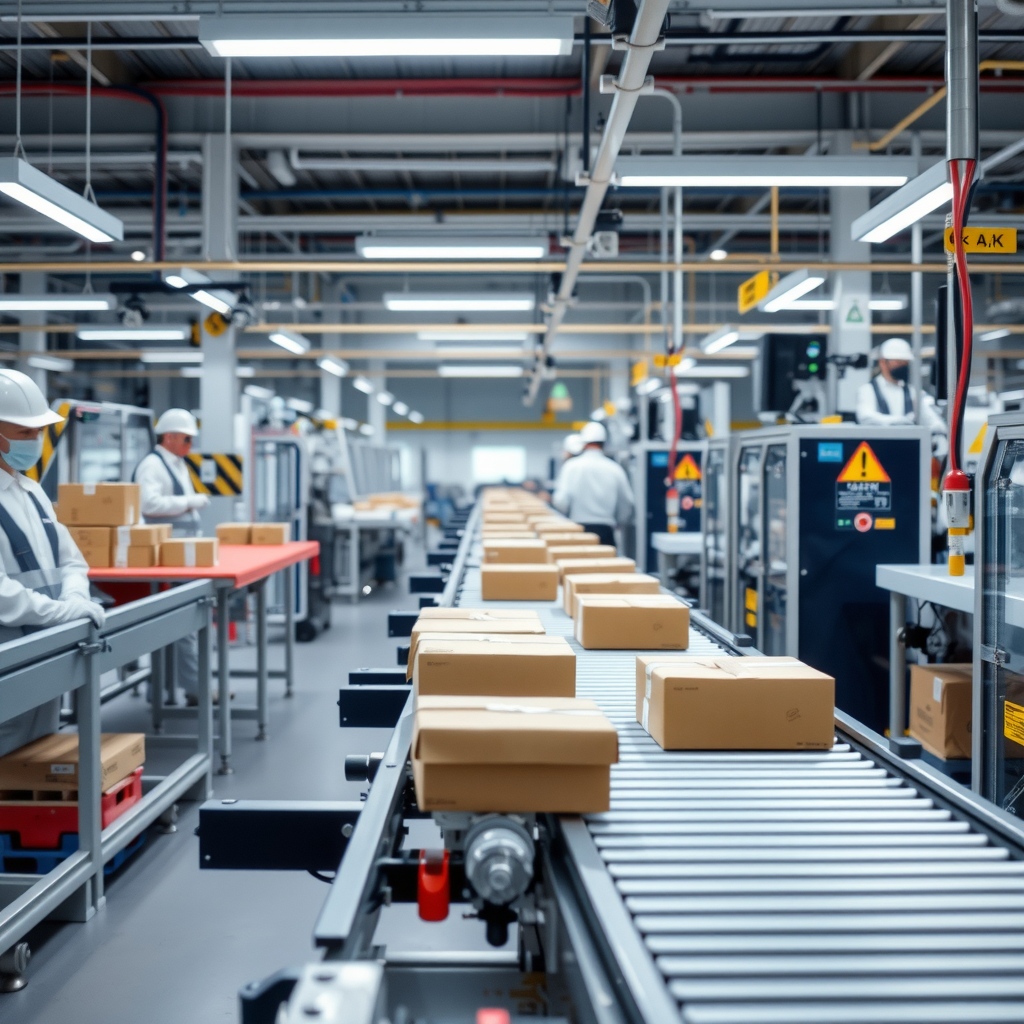
Belt conveyors are essential for efficient material handling in various industries. They streamline operations by transporting goods over distances with minimal manual effort and reduced risk of product damage. Investing in reliable systems enhances productivity and safety. For high-quality solutions and innovative designs, consider exploring the offerings at https://www.intralox.com/.
A belt conveyor efficiently transports materials across various industries. For reliable solutions and high-quality components, visit https://conveyorrollers.co.uk. These conveyors enhance productivity and streamline operations, making them essential for modern manufacturing processes.
Belt conveyors have become the cornerstone of efficiency in modern industries, especially in manufacturing, warehouse, and logistics sectors. Their simplicity and reliability help businesses streamline operations, reduce costs, and improve productivity. This article delves into the top five benefits of using belt conveyor systems, with a particular focus on modular belt conveyor systems, flat belt conveyors, and other variations available in the market today.
Enhanced Efficiency and Productivity
One of the most prominent advantages of employing a belt conveyor system is the significant increase in efficiency and productivity. Unlike manual handling, which can be labour-intensive and time-consuming, belt conveyors are designed to transport materials smoothly and consistently over long distances. For instance, a warehouse belt conveyor can efficiently move products from inbound logistics to storage areas or directly to the shipping department.
With the ability to operate continuously, belt conveyors eliminate downtime. This is particularly beneficial in high-demand environments where time is of the essence. Manufacturers who partner with a reputable belt conveyor supplier can also customise their systems to manage heavy and bulky items, ensuring that every operation runs smoothly.
Reduced Operational Costs
Utilising belt conveyors can lead to significant reductions in operational costs. Employing a flat belt conveyor allows businesses to automate product handling, which not only cuts labour costs but also minimises the risk of workplace injuries. This aspect is critical, as reducing injury rates subsequently lowers insurance premiums and promotes a safer work environment.
Moreover, with advancements in technology, modern conveyors are designed to be energy-efficient. Many manufacturers offer industrial belt conveyor systems that consume less power while providing the same level of output. This energy efficiency means that long-term savings can be realised, making belt conveyors an economically sound investment.
Flexibility and Versatility
Belt conveyors are known for their incredible flexibility and versatility in design. With various styles available, such as modular belt conveyor systems and belt conveyor small versions, these systems can be adapted to fit different operational needs and layouts. This versatility is particularly advantageous for businesses looking to expand or adapt their processes as market demands evolve.
For example, modular belt conveyor systems can be modified to include curves or inclines, allowing them to fit seamlessly into existing production lines. Additionally, businesses can integrate different materials into their conveyance system to handle items ranging from light boxes to heavy machinery. The ability to customise a system ensures that it remains relevant and efficient for years to come.
Improved Workplace Safety
Safety is a paramount concern in any industrial environment, and belt conveyors play a crucial role in enhancing overall safety standards. When compared to manual loading and unloading processes, belt conveyors greatly reduce the risk of injuries such as strains, sprains, or even more severe accidents. By automating material transport, companies can mitigate hazards associated with manual handling.
Furthermore, many belt conveyor manufacturers offer systems equipped with safety features such as emergency stop buttons, covers, and guards to prevent accidents. Implementing these safety measures not only protects employees but also helps companies comply with industry regulations and standards.
Easy Maintenance and Durability
Another significant benefit of belt conveyors is their ease of maintenance and durability. Most modern belt conveyor systems are designed with longevity in mind, utilising robust materials that withstand the rigours of daily use. Regular maintenance can keep these systems running smoothly, minimising breakdowns and enhancing lifespan.
A reliable belt conveyor supplier will often provide valuable support in this area, offering guidelines for maintenance practices and access to replacement parts when necessary. This ensures that businesses can maintain a high level of operational efficiency without severe interruptions.
In summary, the integration of belt conveyor systems within various industrial sectors ensures enhanced efficiency, reduced costs, and improved safety standards. With their flexibility and easy maintenance, these systems are more than just a means of transporting materials; they are invaluable assets that drive productivity and performance in any modern industry. As businesses continue to evolve, investing in advanced conveyor technology will undoubtedly facilitate future growth and success.
