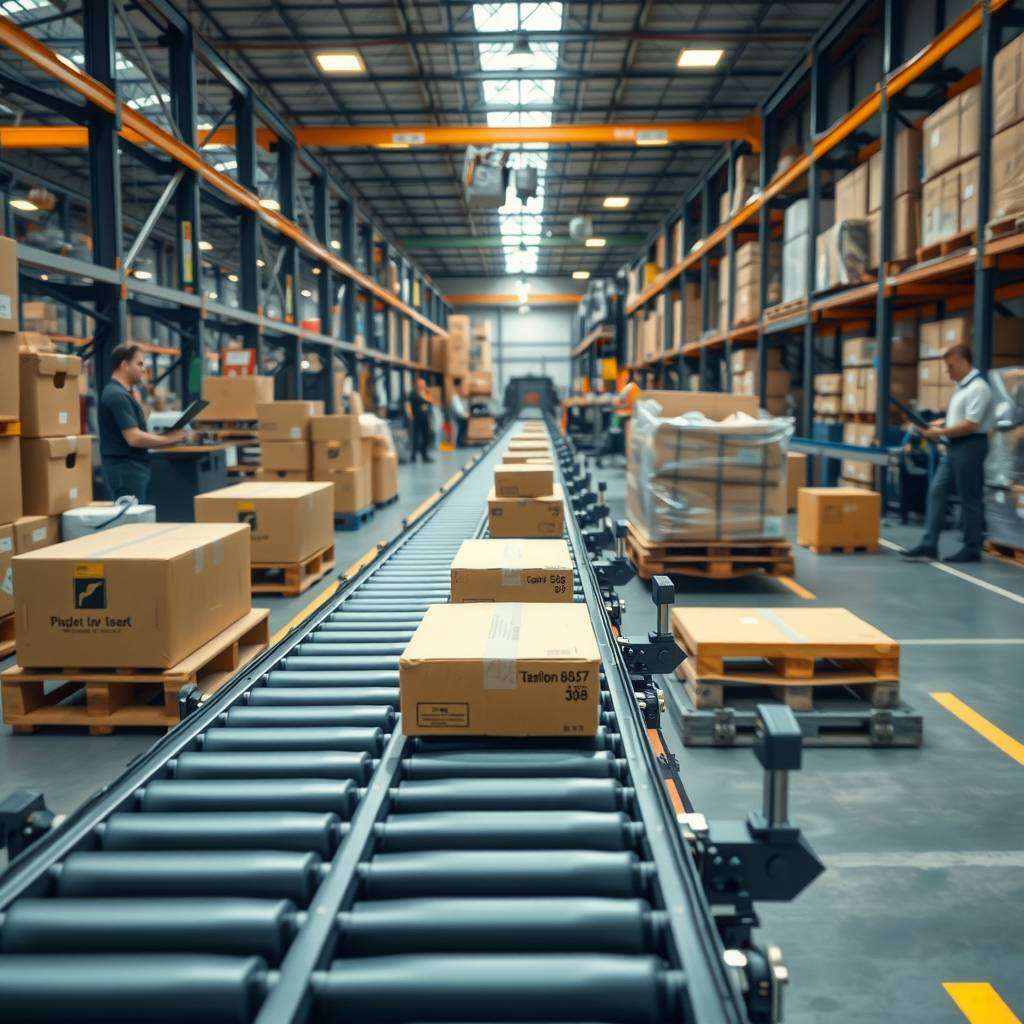
Material handling is a critical aspect of industrial operations, ensuring that raw materials and finished goods are transported efficiently within a facility. One of the most significant advancements in this domain has been the development of conveyor belt conveyors. These systems have transformed the way industries manage material transport, providing solutions that are not only efficient but also cost-effective. This article delves into the seising benefits of conveyor belt systems and their influence on various industry sectors.
The Importance of Conveyor Belt Conveyors
Conveyor belt conveyors are an integral part of modern manufacturing. They facilitate the movement of products, components, and raw materials with minimal manual labour, thereby enhancing productivity levels and reducing the likelihood of human error. Various industries, including food and beverage, mining, automotive, and pharmaceuticals, heavily rely on these systems to streamline their operations.
The automation of material handling through belt conveyors allows for a seamless flow of goods, which is essential for meeting market demands. Belt conveyor suppliers have responded to this need by producing a wide variety of systems tailored to specific industrial needs, including inclined belt conveyors, modular belt conveyors, and horizontal belt conveyors.
Types of Conveyor Belt Conveyors
Modular Belt Conveyors
Modular belt conveyors are a particular innovation in the field of material handling. Composed of interlocking plastic segments, these belts offer unparalleled flexibility, allowing industries to create intricate layouts without sacrificing stability. Due to their modular design, these conveyors can easily be reconfigured or extended, a crucial feature for businesses looking to adapt to changing production requirements.
Moreover, modular belt conveyors are ideal for transporting products with varying sizes and shapes, making them a versatile choice for many industrial applications. When searching for “belt conveyor manufacturers near me,” it’s essential to consider those who specialise in modular systems, as they can provide solutions that evolve with your business needs.
Inclined and Horizontal Belt Conveyors
Inclined and horizontal belt conveyors serve different purposes but are equally vital in material handling processes. Horizontal belt conveyors are predominately used for transporting items across lengthy distances on a flat plane. They excel in moving large volumes of goods, making them ideal for warehouses and distribution centres.
In contrast, inclined belt conveyors are essential for lifting materials between different elevation levels. This feature is particularly beneficial in production lines where products need to be moved from one floor to another, aiding in the efficient organisation of manufacturing processes. The integration of both types can significantly enhance workflow efficiency, allowing for a smoother transition of goods from one stage of production to the next.
A conveyor belt conveyor is essential for efficient material handling in various industries. These systems streamline operations by transporting goods seamlessly across distances. For those interested in exploring quality conveyor solutions, visit https://conveyorrollers.co.uk. With diverse options and expert guidance, you can find the perfect setup to enhance productivity. Investing in a reliable conveyor belt conveyor system can significantly reduce labor costs and improve workflow efficiency, making it a smart choice for any business.
Efficiency and Safety in Material Handling
One of the most significant advantages of conveyor belt systems is their ability to enhance operational efficiency. By automating the movement of materials, industries can increase their throughput and reduce the time taken for goods to reach their final destination. This efficiency translates to cost savings, allowing companies to allocate resources elsewhere, maximising overall profitability.
Moreover, conveyor belts can be designed with safety features to minimise workplace hazards. For instance, guards can be installed to prevent accidental contact with moving parts, and emergency stop mechanisms can be integrated to enhance worker safety. The ability to automate processes not only improves productivity but also contributes to a safer working environment, a priority for modern industries.
Choosing the Right Belt Conveyor Manufacturer
When searching for a belt conveyor supplier, it is critical to assess the specific needs of your operation. Factors such as the type of materials being handled, the weight capacity of the conveyor, and the available space for installation are crucial considerations. Engaging with reputable belt conveyor manufacturers can ensure you access the latest technology and designs tailored for optimal performance.
Selecting the right manufacturer also involves evaluating their experience, industry knowledge, and customer service. A reputable belt conveyor manufacturer will be able to provide comprehensive support, from initial consultations to ongoing maintenance and repairs. This level of service is invaluable in optimising the functionality of your conveyor systems.
Environmental Considerations
In recent years, industries have been under increasing pressure to adopt more sustainable practices. Conveyor belt systems can contribute to these efforts by optimising energy consumption and reducing waste. For instance, many modern systems are designed to be energy-efficient, using less power to operate than traditional conveyor mechanisms.
Additionally, innovations such as belt materials made from recycled plastics can lessen the environmental impact of manufacturing operations. When selecting a belt conveyor supplier, consider those who prioritise sustainability and offer eco-friendly solutions as part of their product line.
Future Trends in Conveyor Belt Conveyors
As advancements in technology continue to develop, the future of conveyor belt conveyors looks promising. The integration of Automation and artificial intelligence (AI) may revolutionise how these systems operate. Smart conveyors equipped with sensors and data analytics can provide real-time insights into equipment performance, enabling predictive maintenance and reducing downtime.
Furthermore, the growing trend of Industry 4.0 emphasises the importance of connectivity and smart systems. Future conveyor belt solutions will not only transport materials but also integrate seamlessly with other technologies within a manufacturing facility, enhancing overall operational efficiency.
In summary, conveyor belt conveyors are revolutionising material handling across various industries. The evolution of these systems has led to enhanced efficiency, improved safety, and a commitment to sustainable practices. Whether you’re looking for inclined belt conveyors, modular systems, or traditional horizontal solutions, the right conveyor belt manufacturer can provide the tools you need for success in your industrial operations.
