Author: Barry Grant (page 3 of 5)

Conveyor Systems 101

Conveyors are used in storehouses just about everywhere to maximise efficiency and keep business running smoothly. For lots of businesses, they are at the heart of manufacturing. If your conveyor goes down, the business stops. Whether you’re wanting to invest or you currently have one, it is necessary to know as much as you can about this equipment that plays such a vital role in production to prevent these unwanted malfunctions.

What Conveyor Systems Can You Get?

There are numerous different sorts of conveyor systems offered, depending upon your needs. Some different kinds include:

  • Belt conveyors
  • Gravity conveyors
  • Flat belt conveyors
  • Slat conveyors
  • Bucket Conveyors

There are far way too many for a complete list here, yet if you’re aiming to purchase a conveyor, you need to search for the various types to see which would best suit your company. This is necessary as each sort of conveyor will be suited to various functions. Conveyors are mostly utilized for transportation, but they can also have other uses including loading and cooling.

The Inner Workings– From Spindles To Gear Rollers

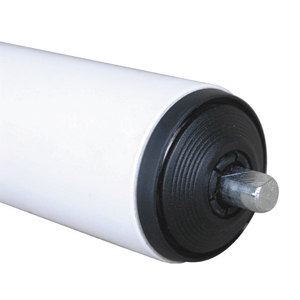
There are many components to a conveyor system, and how they’re made differs from type to type. A few of the raw materials you need to know of are pulleys, clamps, belts and rollers. These will certainly all be different depending on your conveyor, for instance there are various kinds of rollers (sprocket rollers, gravity rollers, stainless-steel rollers, and many more) that totally alter how the conveyor works. Recognizing the various parts of your conveyor is vital to keeping it running at its best.

Taking Care Of Your Conveyor System

If you’ve got a conveyor system, you need to understand the best ways to be taking appropriate care of it. You should only be making use of materials appropriate for your conditions. As an example if your conveyor enters regular contact with water you should be making use of stainless steel and plastic. You ought to furthermore have a yearly service of your conveyor, and do day-to-day checks in the meantime to make sure everything is working well. Any individual who works with your conveyor system must be properly trained so in order to prevent damages through misuse. Caring for your conveyor is vital to preventing break downs.

Health And Safety

If you have a conveyor operating in your warehouse, you’re going to want to make certain nobody gets into an accident around it. For this reason it’s exceptionally essential that all members of staff collaborating with it recognize the safety procedures, and can properly and securely run the conveyor. If they aren’t knowledgeable about the risks, they will not be so likely to be able to prevent them. You must also have a functioning ‘shut down’ button at routine periods in case of emergency situation. The correct safety equipment should be used at all times by any person around the conveyor system. By being vigilant, you can help to stop entirely preventable accidents.

You will discover 1,000’s of sites with information in relation to ‘steel rollers’ this is amongst the best sites www.conveyorrollers.co.uk

Conveyor systems are exceptionally helpful in business, if you understand ways to utilize them effectively. The initial step to being able to use them to their maximum capacity is knowing how they work– you ought to recognize every sprocket roller, clamp and screw in your conveyor. This will help you to maintain the whole system. You need to also only man the conveyors with fully-trained workers, and make sure that proper security procedures are in place. As soon as your conveyor is being used properly, your whole production will come to be more efficient.
Belt Conveyors: Main Issues and Problems

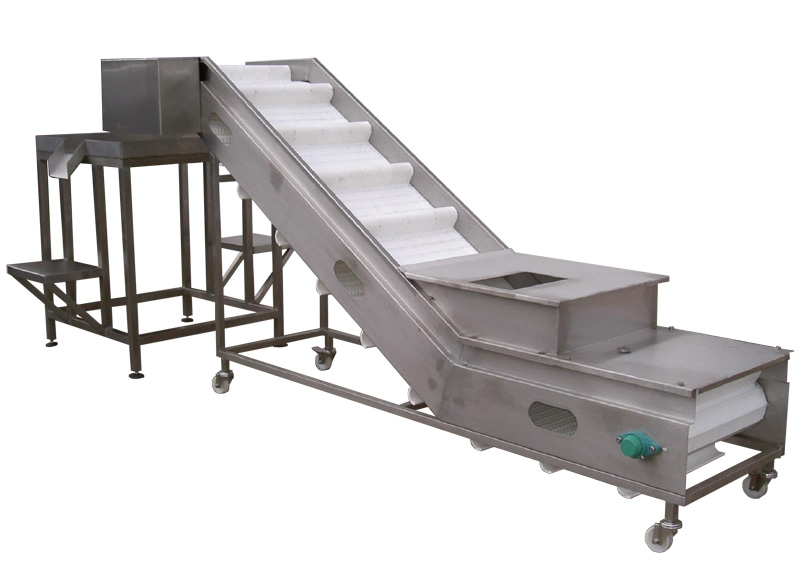
Since they are used thoroughly in manufacturing lines and transport, belt conveyors are vulnerable to problems on a regular basis. Discover out the leading issues and problems of conveyor belts to understand when you need to get in touch with belt conveyor providers.

Conveyor belt issues can be categorised into 3 types: problems on habits of the belt on the conveyor line; problems on the belt connections or splicing; and issues on the cover. Various sources can cause these issues, but fixing them will not be a problem with the aid of belt conveyor producers.

Behavioural Problems

At any point the belt can raise, slip off, or be crookened at specific sections of the conveyor belt. Inspect the idlers, conveyor frame, circumstances of overloading, and the products being conveyed on the belt. If the option requires installing brand-new materials, then conveyor belt producers should be approached. You will discover 1,000’s of internet sites with data in relation to ‘conveyer belt’ this really is possibly one of the best websites www.conveyorrollers.co.uk/

Splicing and Links

The splicing of the belt is expected to posture a problem as conveyor belts age. This is a natural impact of the products deteriorating. Mating may also be damaged too soon since of many elements. When splice failure takes place, usually the concern lies with belt tension. Failures can come in the form of belt breaks, separations, and ruptures. To address them, the stress must be decreased by altering the speed, resistance, and friction of the conveyor belt. Various other methods to solve this is to resplice the belt, changing the pulley diameter, or altering the fasteners. When the problem lies with the cover strip, replacing them with the right kind of cover strip should resolve the problem.

Cover Issues

Damages to the top and bottom covers are most likely brought about by the degeneration of the quality of the rubber the longer a conveyor belt is used. Of all the issues, cover issues are the most extensive. Symptoms consist of splits on the carcass, cuts, tears, gouges and babble marks, separation of the belting, neighbourhood wear, and the softening or solidifying of the covers.

Other more complicated problems can arise from the consistent use of belt conveyors. But know that these can quickly be resolved with the aid of UK belt conveyor suppliers.

Good Insights Regarding Conveyors

Conveyors are the personification of the ideological personality of the commercial transformation, the age that grew the seed for the human penchant to require for rich production in the quickest amount of time. Made from 2 pulleys with a continuous belt that covering around them, these easy gadget has actually significantly reinvented the production procedure and remains to do ripples even today. To memorialize the lots of contributions that this creation has provided us and continues to give us, this write-up will provide a few enjoyable truths about the conveyor.

The First Conveyor Rollers

Nobody’s truly sure when the first conveyor was constructed as there is no taped history available to discover that talks about its development but all chances are that it was made to the middle of the industrial revolution. The initial tape-recorded description of the belt, however, was composed by Oliver Evans and it was available in 1795 explaining it as an “endless band of thin pliant leather” that undergoes 2 pulleys. Individuals bet that the time of discovery would float time around this year.

www.conveyorrollers.co.uk is certainly one website that has lots of up to date information about chain driven rollers.

The Longest Conveyor Roller

The world’s lengthiest belt is designed to carry limestone from one indicate an additional point at an amazing distance 35km. In truth, the belt is so long that it crosses from the international border of Bangladesh into India. Conveyors can also be interconnected to form conveyor systems and the longest of these systems is found in the Western Sahara, each unit is around 11.7 km long and the overall length of the system is much more than a whopping 100km.

The Strongest Conveyor Belt

The world’s greatest belt can be found underground in the copper mines of Chile. These belts have a breaking strength of 15,000 kN which indicates that you have to put in that much force on it to break. We want to know the number of individuals that one needs to pile up on this herculean belt fore it in fact snaps.

The Fastest Rollers

A conveyor maker will normally produce a belt that has rather reduced rate so that the materials do not fly off in transportation. The fastest belt in a mine in Germany, nevertheless, throws this concept out of the way completely as it moves products at a rate of 15m/s, so that you can imagine this much better in regards to kph. Doing the suitable conversions, this is around 54kph, above the rate limit for some crossways.

Conveyor Manufacturers

The individuals who make conveyors and conveyor systems, the conveyor maker and the conveyor system producer, continue to innovate and push the bounds of the this nifty innovation from several centuries ago that is still an essential component in many industrial procedures. Among these makers is Conveyor Systems Limited (CSL) that utilize their years of experience to provide materials dealing with solutions to numerous business and industries.

All you should Learn about Conveyor Roller Kinds

Conveyor systems are an important part of any kind of production line. They assist to relocate products around each stage efficiently and also efficiently, lowering the possibility of mistake that originates from manual labour. Choosing the best conveyor rollers for your system is key to maintaining points running how you need them to, whether you’re going for quicker manufacturing times or lower costs.

Gravity Roller Conveyor System

Gravity Conveyor Rollers are typically the most effective priced on the market, making them much more budget friendly for smaller businesses. They can perform at reduced speeds than others on the marketplace and keep your conveyors moving with little initiative, though they can generate quite a great deal of noise. Normally both hefty and light task gravity rollers are offered and a selection of spindles are readily available, suggesting you can personalize the product to your requirements and conveyor system.

High-Speed Rollers

High-speed conveyor rollers are commonly thought about a less cost-effective as well as more advanced variation of gravity rollers. They are built to lower the quantity of wear to the whole conveyor system and also to last a very long time themselves, as well as they’re also very peaceful to run. High-speed rollers can be made use of on a selection of conveyors including those that are chain and belt driven.

Make Use Of Grooved Conveyor Rollers

As the name suggests, these rollers have normally 1 or 2 grooves on their surface, though the number of grooves could generally be personalised to your demands. They are particularly for conveyor systems that are moved just by rollers, and also are extremely very easy to set up as well as will last a long time if utilized properly. Grooved conveyor rollers are springtime filled on either end as well as have kinky tube ends, helping to safe and secure bearings.

Plastic Rollers For Conveyor Systems

Plastic conveyor rollers are generally quite low-cost compared to metal alternatives, as well as are best for lighter tons rather than heavy duty. If your manufacturing resides in a humid or damp environment after that these are the rollers for you. For ideal use, pair with stainless-steel bearings as well as spindles.

Go here for further details www.conveyorrollers.co.uk

Stainless Steel Rollers

Arguably the greatest perk of stainless-steel rollers is that, unlike other steels, they’re rust immune significance they’ll last much longer and are much more functional. They could come into regular contact with water without rusting, and are also strong sufficient to deal with strong job. There are generally a variety of tube designs as well as pins available in stainless-steel.

Picking Your Conveyor Roller

Now you have all the important details on these kinds of conveyor rollers, it’s time to determine which would be most ideal for you. There’s possibly currently been a couple that have stood apart, state the gravity rollers for their economical cost or the stainless-steel for being deterioration immune, and also currently it’s time to pare these to one. Look at your budget plan and also be reasonable regarding what you can pay for, then look at exactly what will certainly be going on your conveyor systems as well as which rollers will be most matched to you. When you have all the info, it’s not as well hard to discover the appropriate rollers.

History of Conveyor Systems

While a conveyor belt has become a typical sight in contemporary industrial environments and factories, it was once an revolutionary invention that benefited organizations in numerous ways. It supplied a perfect solution to save on manual labour, time and costs and it also made managing goods considerably easier. Although a conveyor system is a piece of equipment which is usually taken for granted, they actually have a long and intriguing history.

First Systems

{The first types of conveyor belts have been utilized as early as 1795, using a mechanical instead of an electric system. These were mainly utilized in the agricultural industry as a way of moving huge amounts of grain and this saved farmers and farm labours lots of hard work. Yet another industry that was making use of similar systems during this time was the prospecting industry that used them to transfer coal. These early systems consisted of a wooden frame and belts made of fabric or rubber.

Advancements

In the 19th century onwards, conveyors have been used for material handling. The first conveyor roller was patented in 1908 by Hymie Goddard of the Logan Company, Indiana. Nonetheless, it had been a further 5 years before the conveyor industry started to prosper. The greatest change to mainstream industry came in 1913 when Henry Ford introduced the idea of the assembly line by having conveyor belts to speed up production. By 1919, electric and free conveyor lines were being applied in the automotive industry to handle mass production. Additional progress was made during the Nineteen twenties when systems were built longer. Artificial materials began to be applied in the production of conveyor systems during World War II because of the scarcity of natural components. Systems also enhanced significantly throughout this period. In 1948, the very first requirements for conveyor systems have been founded. From this time until nowadays, power rollers were perfected and this helped to reduce the expenses of upkeep.

Now

{These days, roller conveyors play an essential role in numerous industries, such as food processing and manufacturing, farming, automotive, chemicals, pharmaceutical products, postal mail and manufacturing. In fact, there are very few industries which are not dependent on these systems at some stage in the course of manufacturing, storage or managing.

{Although it is not a subject that many individuals think about, conveyor belts play an important role inside the general functioning of modern society today. When you think about it, you will find a huge number of conveyors running simultaneously at any one time all around the world. There are hundreds of thousands of web sites with facts with reference to ‘conveyer belt’ this is one of the better sites https://www.conveyorrollers.co.uk/belt-conveyors

Significance of Conveyor Systems for Warehouses

If you think of a modern warehouse, a picture of conveyor belts comes to mind. This really is one of the most significant components of gear within a warehouse and makes an enormous difference to the functioning and good results of manufacturing, development and product packaging businesses. Here are a few of the factors why a conveyor system is so important. www.conveyorrollers.co.uk is certainly one site that is loaded with lots of up to date info on belt conveyors.

Saves Time

A conveyor belt will boost the overall efficiency of the operations because it will save time on jobs getting accomplished by hand. Employees needing to move the products from one side of the warehouse to another throughout various phases of production, manufacturing or packaging is difficult and time-consuming. The longer each and every of those processes takes, the less finished products you will have leaving the warehouse at the end of each and every working day. Setting up a conveyor roller can significantly decrease the amount of time spent at each and every stage.

Cost-effective

Getting conveyor belts inside a warehouse could save you money in the long-term. Although they are not free to operate and maintain, this is most likely to be a considerably reduced expenditure than paying staff to complete exactly the same function. This is partly because humans completing the same function would take longer and the hours worked are remunerated in their wages. Another way in which conveyor belts can help to save funds is that there could be significantly less wastage or damaged items than when items are dealt with manually.

Improved Productivity

As conveyor belts save equally time and money, your general productivity will improve. This implies you will be in a position to generate, manufacture or pack a lot more goods for less money inside a shorter space of time. The more items that leave your warehouse, the more products there are to market. Consequently your company is a lot more likely to increase profits and achieve greater success.

Higher Safety

Provided they’re utilized correctly and are properly maintained, conveyor belts are generally an extremely safe piece of equipment to have inside a warehouse. In addition, they might really reduce hazards and avoid potential accidents related with making use of other components of gear or manual labour to transport goods from one location of your warehouse to another. If you take measures to avoid accidents, you will keep your staff safe and save yourself the expenses connected with staff needing time off work as a result of injury.

Overall, a conveyor belt is really a piece of gear that is well worth investing in for your warehouse. Not only will it save you money and time, it’s going to also boost profitability and could potentially prevent unpleasant mishaps in the place of work.

Workplace Safety: The Do’s and Don’ts close to a Conveyor System

Conveyor systems are important in numerous industries. However, they are also an origin of mishaps, some of which are catastrophic. This implies that safety around conveyor systems is paramount if you’re to address these accidents. This informative guide will take a look at the dos and don’ts which will keep the conveyors operating while also having everyone from the workplace protected.

Do Hold Clothing Away

It’s extremely easy for unfastened pieces of clothing to become trapped in the conveyor roller. You ought to let only specialised staff deal with the system. Aside from clothing, make sure that everyone with long hair has it neatly held in place. Lastly, retain jewellery such as rings, necklaces and watches away when working.

Do Not Ride The Conveyor

Riding the conveyor line could be entertaining but it’s extremely dangerous. Actually, do not climb, sit or stroll on this system at any moment. Remember that when these conveyors were built, they have been by no means constructed with people in mind and therefore were by no means created to handle the human weight. Consequently, it really is extremely simple for their belts to go out of track.

This blog www.conveyorrollers.co.uk provides extensive more info on the main topics Driven Roller.

Do Ensure A Clear Start-up

Numerous industrial accidents that take place near a conveyor system could be connected to its start up. Although many of these sound an alarm prior to coming on, it really is imperative that you steer clear from the area. As a manager, make sure that everybody inside the plant is aware of the meaning of the alarm to keep accidental injuries at bay.

Do Not Service The Conveyor Before Disconnecting Power

Any maintenance activities need to wait for the unit to get turned off from power. Whether your conveyor relies on electricity, hydraulic or air, ensure that the cut-off is in position to stop anyone from unintentionally turning it back on. You will find several lockout systems that you can employ to handle this.

Do Get Good At The On/off Controls

Anybody who is working close to this system should know exactly where the emergency on / off controls are positioned. These controls also need to be explicitly marked to make it easy for any person to easily spot them and use them whenever the need arises.

Do Not Change Controls

It’s recommended that only qualified personnel be allowed to make any modification around the controls. It is also pertinent that you keep an eye on them to ensure that you are able to recognize improper use or any slight changes by your staff. Even though some tasks may require that you change these controls, it is nevertheless not recommended to do so since these controls are part of a larger system and doing adjustments can result in other unforeseen concerns.

Everything About Conveyor Rollers

Conveyor rollers try to make minimal work of moving pieces around with minimum energy being applied, and thanks to the engine powered options, they ensure significantly less manpower as well. From wheels, belts and integral rollers there are a broad range of rollers found on the modern marketplace, regardless of whether you look for a continuous-duty motor or manually powered device.

Rollers are generally useful to move bulk products, and there are many different kinds of rollers for particular roles. Rollers and other conveyors will be able to lift up material, use vibratory movement to relocate materials, and hang from above. Some other major types include screw conveyors, chute conveyors and tow conveyors.

Let’s take a closer look at some of the main types of conveyor.

Conveyor Rollers

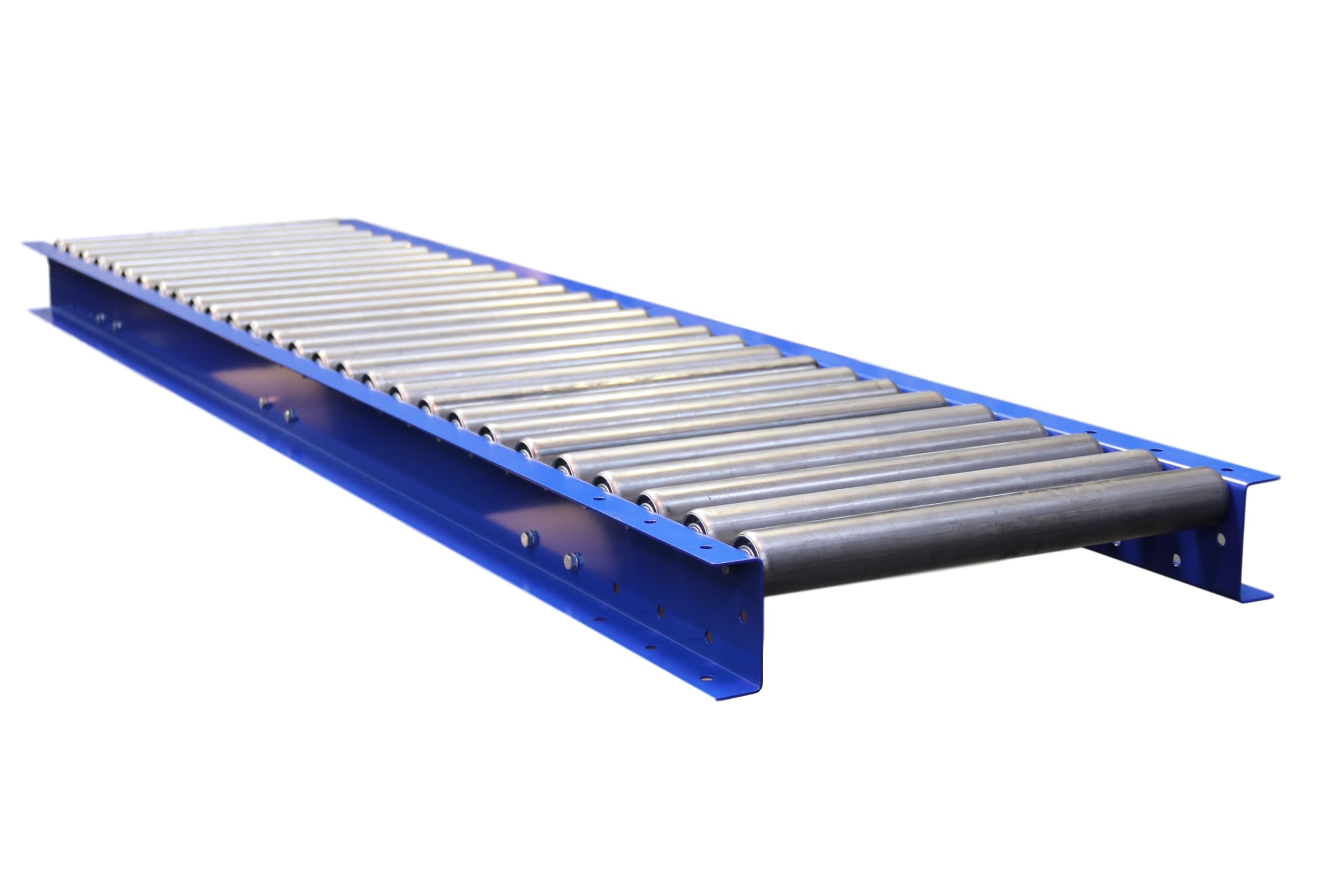
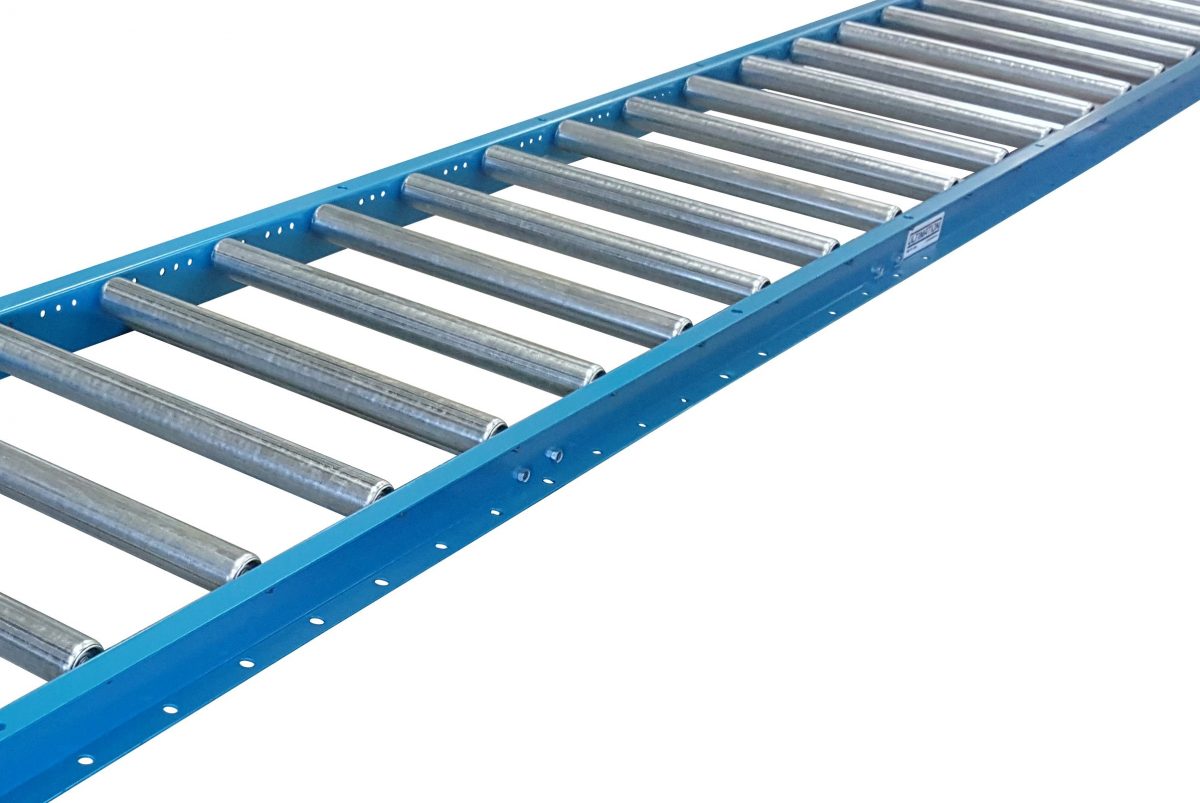
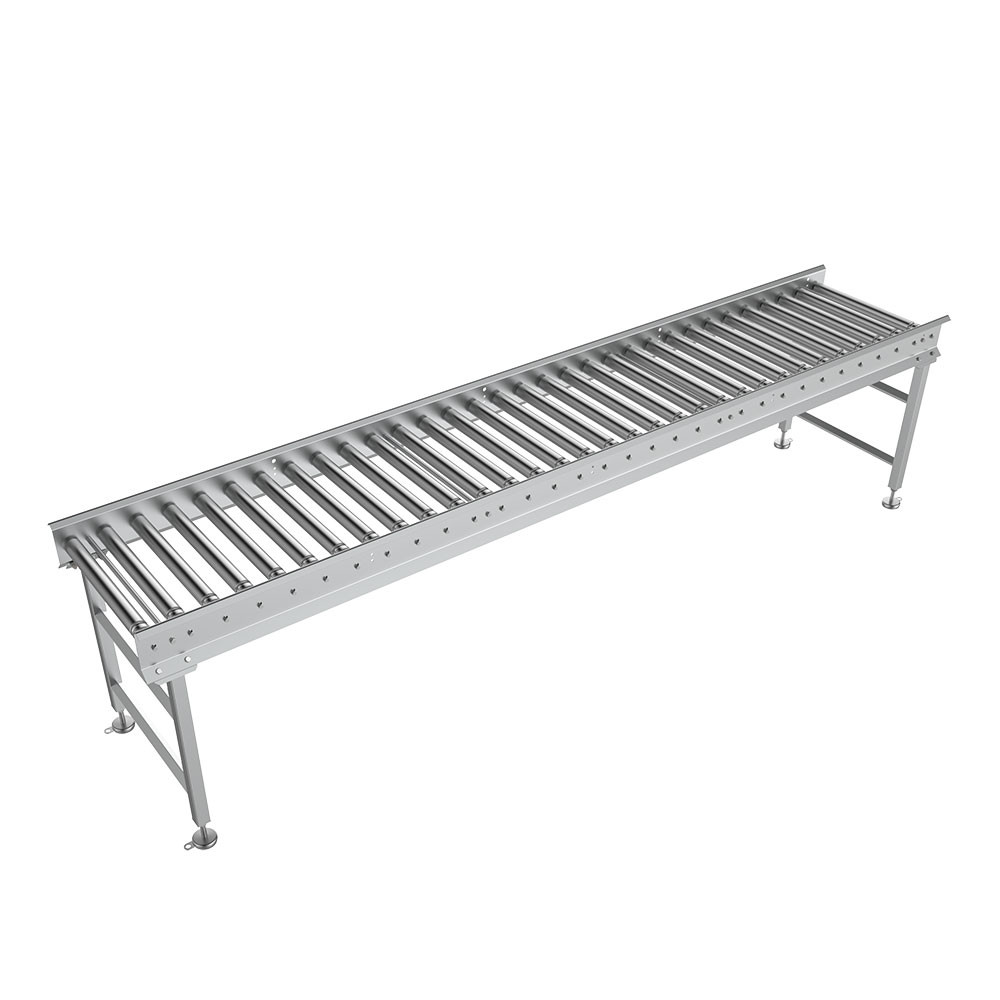
These are handling solutions make use of rollers mounted in frames to manoeuvre products. The factors you have to think about include the weight potential and circumference, combined with conveyor width and length. Roller conveyors are typically present in handling spaces which include loading docks, baggage handling or assembly lines. Rollers use gravity or manual power to transport goods around and can be straight or curved depending on location or working environment.

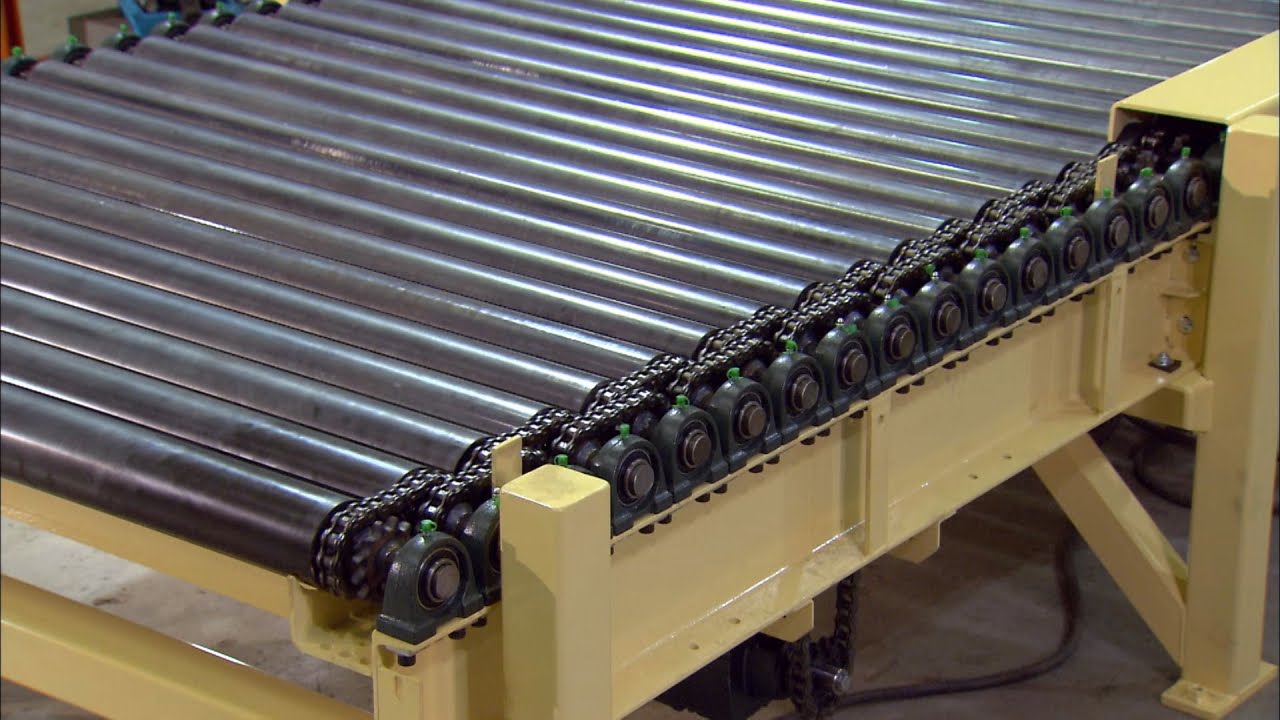
Powered roller conveyors use driven rollers secured with frames to move goods and materials about. The top consideration is the kind of drive that you need. The principal drive varieties include belts, chains and motors. Powered roller conveyors have lots of uses, which include food handling, packaging and many other construction line industrial sectors.

Wheel conveyors use unpowered wheels to move commodities, either by gravitational forces or manual power. If deciding on a wheel system, you need to think about load capability, the actual physical lengths and widths and the electric power requirements. Wheel conveyors are generally useful for loading and unloading trucks, in addition to relocating big hefty objects such as pallets. Depending on weight requirements, wheel numbers and spacing can vary.

This web site www.conveyorrollers.co.uk offers quite a bit more info on the subject of Conveyor Roller.

Vibrating conveyors use rotary or linear vibration to safely move product or components along. They may be commonly used to move bulk materials like gravel and coal. Depending on the required use, many sizes are available.

Overhead conveyors are installed to ceilings and make use of trolleys moved by chains, cabling or other connections. They are most frequently utilised in business sectors where the product has to be suspended, including parts handling systems, or for a/c needs. Depending upon the expected use of the overhead platform, the load transporting potential may be very important. Most systems are motorised though you can find the ones are hand powered.

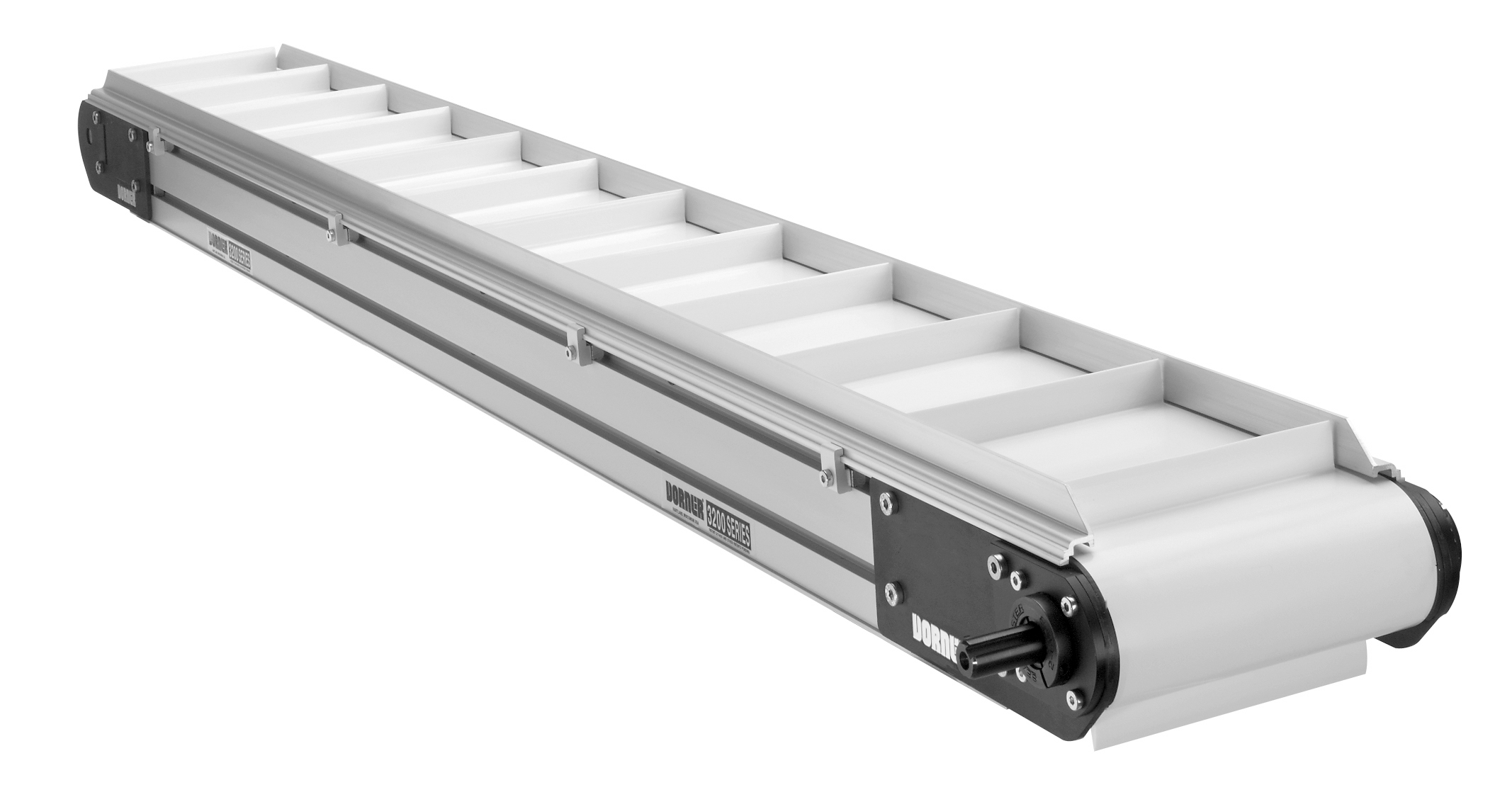
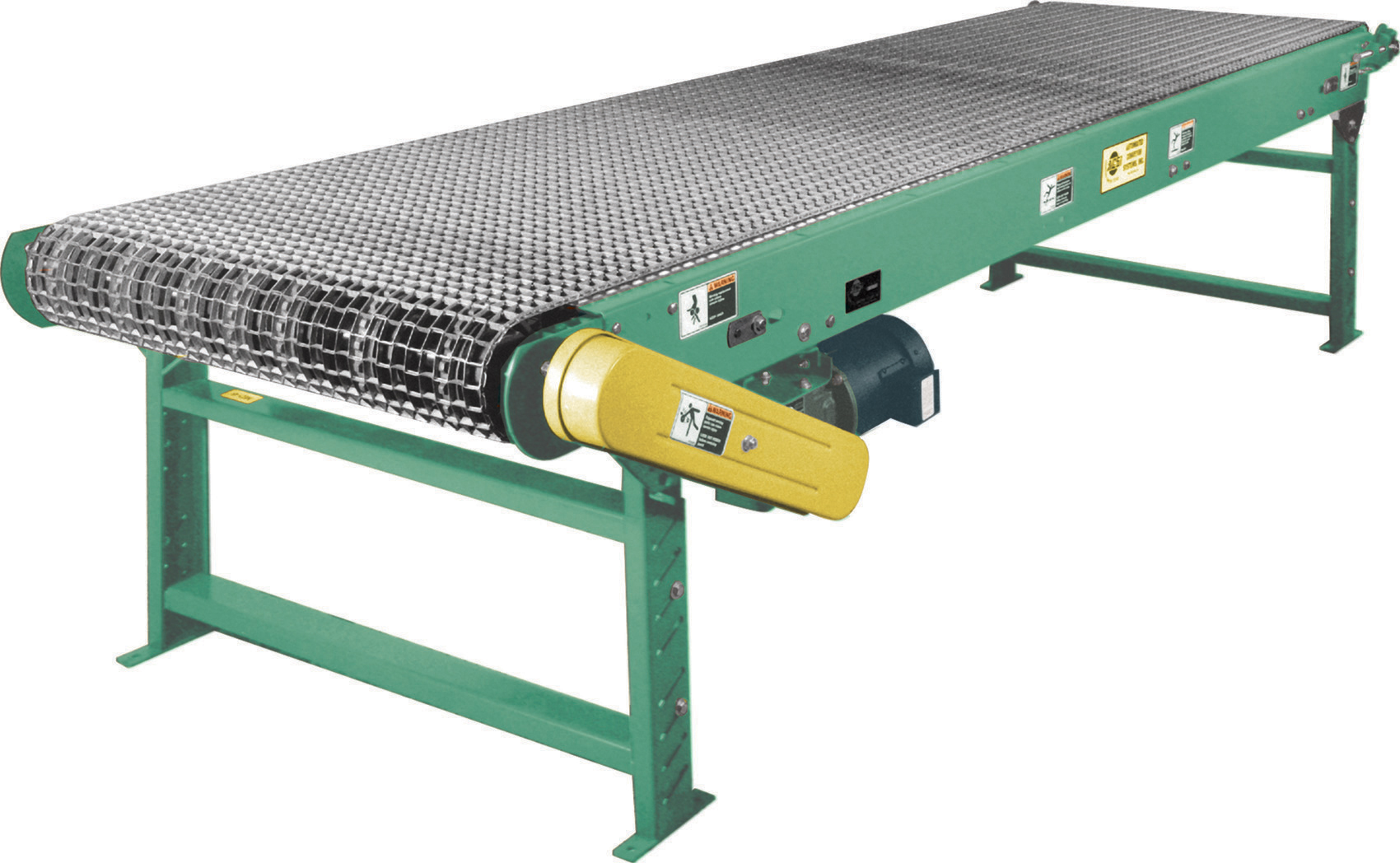
Belt conveyors use continuous belts to safely move merchandise. These are generally regularly employed in food solutions, for baggage handling, in packaging and in the postal service, even when you would most often relate them with the cash registers in grocery chains. Belt conveyors usually are motorised and function at a number of rates of speed. Belts can be driven flat or perhaps at inclines.

Beltless magnetic conveyors use moving magnets under stationery plates to transfer magnetic or ferrous content. This may be comprising of scrap metal or equipment parts. Beltless magnetic conveyors can be horizontal, up-right or a mix of each.

The Uses Of Roller Conveyors

Your personal choice of conveyor system depends on the product style, velocity, distance off the ground and segment focus unique to your business. Numerous sorts of conveyor, including belts and vibrating units, can be used over long distances in markets such as mining and raw materials. On the other hand, a vibrating belt system can be of little use in food production or technology sectors.

Conveyors may perhaps be manually powered, which is when products are moved along manually over the rollers or wheels. Others are air powered or engine powered. Generally, however, they are driven by electric power engines. This either takes place directly or through reduction gears, chains and sprockets.

Materials and units are generally moved on the top surfaces of conveyors, although overhead conveyors would be the noticeable exception.

Choosing A Roller

If you’re planning to transfer things without difficulty coupled with the smallest amount of effort and hard work and the highest level of safety, you must appraise your needs and requirements really carefully. Your eventual choice will be determined by the industry sector in which you operate, a choice of power supply (or not) as well as financial budget which you have.

Conveyor rollers are perhaps the simplest and flexible system and also one of the most affordable. Roller systems are also user friendly and maintain and can be customised to a wide array of industrial sectors and uses. Components can be custom-designed to for your available space and rollers can be selected by materials, weight capacity, speed capacity and more. This is why conveyor rollers are one of the most widely used options for UK establishments.

Roller conveyor systems can be custom-designed from modular components. These include straight sections, curves, transitions, merges, partitioning plus much more. Makers will give design practical knowledge and installing the components assistance, allowing you to get the most effective device for your requirement. They may also include on-going routine service assistance and spares to help keep your articles and your business moving.

If it’s time you expanded your company and you need to reduces costs of manufacturing, storage, delivery or more, then a conveyor roller system may perhaps be exactly what you’ve been searching for.

Why Conveyor Rollers Assist Supply

As we relocate further right into the 21st century the globe population is raising at a remarkable rate, and even developing countries are now moving more and more to the consumerist culture that we have here in the western world. What has this got to do with distribution? Well, all those goods that the growing population wants, needs, as well as calls for have to be relocated from one place to the next eventually. iPads don’t grow on trees, you know!

In order to make distribution of all the wide as well as diverse items that we now nearly take for granted, distribution centres require a helping hand. One of one of the most important elements of any of these centres is something that is hardly seen, namely the conveyor roller.

The’re a great many Gravity Roller Conveyor web sites within the UK, should you be looking for more info or perhaps prices this excellent website is a great starting place www.conveyorrollers.co.uk

In Some Cases Old Ideas Are Tough To Beat

Conveyor rollers have actually been around for a long time, which is testament to their continued efficiency. Imagine a world without them and it is easy to see why they are still in operation today not only in the above mentioned distribution centres but also in many other manufacturing facilities as well as stockrooms too.

Without conveyor rollers, the enhanced quantity of workforce would certainly be prohibitive to properly getting items to where they have to go. Also a moderate sized circulation centre would certainly have to employ hundreds more employees to shift the different boxes, parcels, as well as crates that it handles on a day to day basis. This rise in work would certainly also trigger a dramatic increase in price, which, in turn, would become passed down to us, the consumer.

Large Or Tiny, Conveyor Rollers Manage Them All

Having conveyor rollers at our disposal permits us to quickly and efficiently relocate items that are too heavy to effortlessly carry too, making the movement of extra-large and also items a breeze. Once again, without the rollers in position, there would be a demand for not just much more workforce to take care of the motion of these products, but likewise much more devices also. Can you imagine the disorder a storage facility filled with pallet vehicles would trigger?

Actually, as a circulation centre would certainly need so many pallet trucks to cope with the additional need, it is fair to say that there would not be enough floor room either. This would certainly mean that the already ginormous distribution centres that we have today would certainly have to be even larger if they were to be able to handle the added work that going without conveyor rollers would certainly bring. The chances are good that if it weren’t for the conveyor roller, we wouldn’t have a distribution system anywhere near what we have in place today.

>So, next time you take delivery of a parcel, tip your hat to the conveyor roller and also give a quiet word of thanks. Without them the world would be a very various place.

The Giant of the Sahara

The entire world is full of conveyor belts. Pulled along a system conveyor rollers, these incredible pieces of technological innovation usually go unnoticed and they are underappreciated, but the entire world might be a completely different place without them. They are utilised for anything from moving heavy cases around shipping warehouses to the crucial element in food making operations.

Deep inside the Western Sahara, in the middle of nothing else but unwelcoming desert, stands the world’s largest conveyor belt system. It is so large actually, that it can be viewed from space. This huge framework expands over 61 miles and is used to transfer phosphate rock throughout the desert.

There are hundreds of thousands of web sites with info with respect to ‘Sprocket Roller’ this could be possibly one of the best sites www.conveyorrollers.co.uk

The automatic conveyor belt system starts its experience at the Bou Craa Phosphate Mine. Phosphate is used as a essential agricultural fertiliser and this Moroccan-managed territory has over 85% of the world’s current reserves. Phosphate is in high demand around the globe and we all consume about Forty million tonnes annually, so it is obvious why this type of huge structure had to be built. The belt type is ST 2500 and it is only 80cm broad but has a maximum transporting capacity of Two thousand tonnes of crude phosphate rock an hour. The numerous conveyor rollers that comprise this system are crucial to the sleek operation.

The Bou Craa phosphate mine was found in The late 1940s by the Spanish. The phosphate deposits located in the area have been uncommonly close to the surface and were definitely of really high purity, therefore it made it a perfect place to mine, though mining didn’t fully begin until the 1960’s. Since the beginning of operations, the mine continues to grow and already covers a staggering 1,225 hectares. The production in 2001 was 1.5 million metric tonnes of refined phosphate, an abnormally sizeable proportion of the planet’s supply from just one mine.

The belt, which is operating for longer than 30 years, ends its 61 mile journey at the El Aain coastline where its load is processed and distributed. The belt isn’t encased and over time, moving phosphate rock continues to be transported by the prevailing winds and miles of land south from the belt now appears completely white from outerspace.


The Bou Craa conveyor belt has such an important role to play that in case it ever failed, food prices all over the world would significantly raise as supplies of phosphate fertiliser would become scarcer. Who would have thought a simple conveyor belt could be so fixed to the worlds food supply? With only a tiny bit of overstatement, you might claim that the conveyor rollers and belt contained in this particular system are what enables millions of people around the globe to eat.

The Bou Craa conveyor is actually a feat of technology and extraordinary. It is improbable that we will see another conveyor belt of similar dimensions made in our lives.