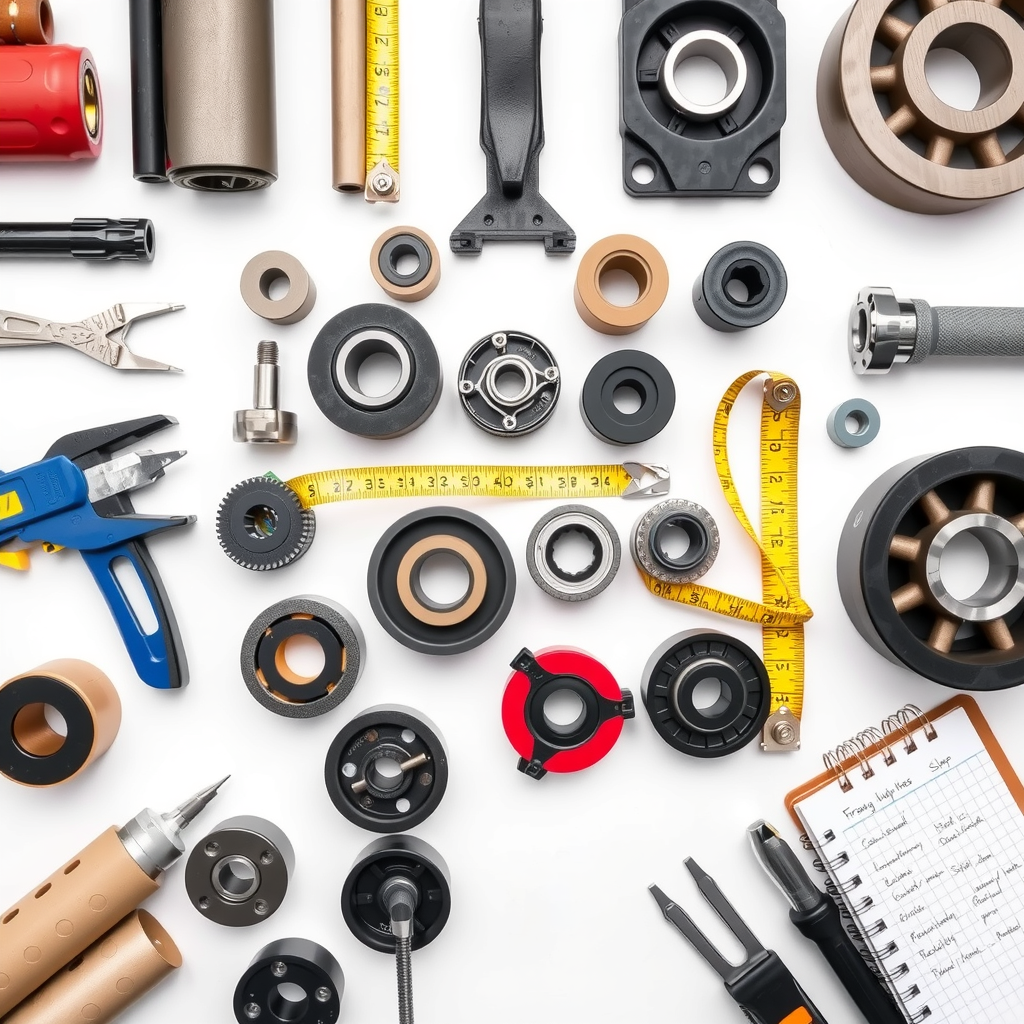
Conveyer rollers are essential components in material handling systems, significantly improving efficiency and safety in warehouses and factories. For high-quality options and expert advice, you can explore more about these vital tools at https://conveyorrollers.co.uk.
When it comes to optimising the efficiency and productivity of your business operations, selecting the right conveyor rollers is paramount. From manufacturing plants to distribution centres, the choice of rollers for conveyors can significantly impact material handling systems. In this guide, we will explore the various types of conveyor rollers available in the market, helping you make an informed decision on the ideal rollers for your business needs.
Understanding the Different Types of Conveyor Rollers
Conveyor rollers come in various shapes, sizes, and materials, each serving a specific function. Understanding the different types will enable you to make more informed choices.
Plastic Conveyor Rollers
Plastic conveyor rollers have gained immense popularity due to their lightweight nature and corrosion resistance. These rollers are often used in environments where moisture, chemicals, or other corrosive agents may be present, making them perfect for food processing plants and pharmaceutical companies.
Advantages of plastic conveyor rollers include:
- Corrosion Resistance: They are less susceptible to rust compared to metal rollers.
- Weight Considerations: Their lighter weight can reduce energy costs in driven roller systems.
- Low Noise Operation: They offer quieter operation, especially beneficial in environments where sound levels may be a concern.
If your operations include handling lightweight products or materials, plastic conveyor rollers could be an excellent choice.
Driven Rollers
Driven rollers are designed to move products along conveyor systems, making them vital to any automated material handling setup. They are often used in powered conveyor systems, where the goal is to provide efficient movement of goods.
Key considerations for choosing driven rollers include:
- Power Source: Understanding whether your system will require electrical power, pneumatic power, or gravity-driven solutions.
- Roller Diameter: Select the appropriate diameter for driven rollers based on the type of products they will carry, as larger diameters can transport heavier loads more effectively.
- Surface Texture: Sprocket rollers, for example, typically have a textured surface designed to enhance grip. This is particularly important in environments that require precise control over product movement.
Utilising the right driven rollers can significantly enhance throughput and reduce energy consumption in your operations.
Conveyor rollers are essential components in various industries, facilitating the smooth and efficient movement of goods. These rollers come in various sizes and materials, designed to meet specific operational requirements. Proper selection of conveyor rollers enhances performance, reduces wear, and minimizes maintenance costs. By investing in high-quality options, businesses can boost productivity and streamline their operations. For a wide range of durable solutions, check out conveyer rollers tailored to meet your needs.
FAQ: Conveyer Rollers
What are conveyer rollers?
Conveyer rollers are cylindrical components used in conveyor systems to support and guide materials as they move from one location to another. They facilitate the smooth movement of goods by allowing them to roll effortlessly along a conveyor belt or track.
What are the different types of conveyer rollers?
There are various types of conveyer rollers, including:
- Idler Rollers: These do not drive the belt but support its weight.
- Drive Rollers: These provide propulsion for the conveyor system.
- Return Rollers: Used on the underside of a belt, they help return it to its starting position.
- Impact Rollers: Designed for areas where loads may fall onto them, providing additional protection and support.
How do I choose the right conveyer rollers for my application?
Selecting the appropriate conveyer rollers involves considering several factors:
- The weight and size of materials being transported
- The speed at which materials will be moved
- Environmental conditions (e.g., temperature, moisture)
- Compatibility with existing conveyor systems
Consulting with an industry expert can also help ensure you find suitable options.
What materials are commonly used in conveyer roller manufacturing?
Conveyer rollers can be made from various materials depending on their intended use:
- Steel: Known for strength and durability; often used for heavy-duty applications.
- Aluminum: Lightweight and resistant to corrosion; ideal for lighter applications.
- Plastic: Resistant to chemicals and moisture; suitable for food handling or pharmaceutical environments.
How do I maintain my conveyer rollers?
Regular maintenance is crucial to ensure optimal performance. Here are some tips:
- Inspect regularly for wear or damage.
- Clean your rollers free from debris or buildup that could affect performance.
- Lubricate bearings periodically as per manufacturer recommendations.
- Replace any worn or damaged parts promptly.
Where can I buy high-quality conveyer rollers?
High-quality conveyer rollers can be purchased from industrial supply companies, specialised manufacturers, or online retailers that focus on material handling equipment. Ensure you read reviews, check product specifications, and ask about warranties before making a purchase.
Can I customise my conveyer rollers?
Yes! Many manufacturers offer customisation options such as specific dimensions, material choices, coatings (like rubber), bearing types, and load capacities tailored to meet individual requirements needed in your application.
How do I install conveyer rollers properly?
Installation typically requires following these basic steps:
- Ensure all components of your conveyor system are aligned correctly before installation begins.
- Use appropriate tools based on your roller type – some may require tightening bolts while others might use snap rings or clips for secure placement.
- Attend carefully following manufacturer guidelines provided with your products during installation processes.
For more complex setups or larger systems involving multiple features/rods connecting together into one unit – consider consulting professionals who specialise in installation services!
Specialised Rollers
Besides the standard plastic and driven rollers, businesses may require specialised conveyor rollers to handle specific tasks effectively.
Grooved Rollers
Grooved rollers are designed with channels or grooves, providing enhanced grip for products that may otherwise slip during transit. These rollers are particularly useful for transporting items that require a secure hold, such as cardboard boxes or irregularly shaped goods.
The key benefits of grooved roller systems include:
- Enhanced Stability: The grooves on the roller surface prevent items from slipping off during transit, minimising the risk of damage.
- Versatility: They can be used in both powered and unpowered conveyor systems, making them a flexible choice for various applications.
- Durability: Often made from robust materials, grooved rollers can withstand heavy loads and challenging working environments.
For operations facing challenges with product stability, incorporating grooved rollers into your conveyor system might be the solution you need.
UK Rollers
As a business operating in the UK, it is vital to consider the local suppliers when selecting conveyor rollers. UK rollers are typically manufactured to meet industry standards, ensuring compliance with local regulations.
Choosing local suppliers has advantages, including:
- Quick Delivery Times: Reduced lead times contribute to improved operational efficiency.
- Availability of Support: Local suppliers can offer on-site support, maintenance, and replacement services, ensuring minimal downtime.
- Familiarity with Regulations: UK manufacturers are more likely to understand local safety and operational regulations, reducing the chances of compliance issues.
When evaluating suppliers, consider their reputation in the local market, their experience with your industry, and their range of available products.
Conclusion
In the competitive landscape of modern business, selecting the right conveyor rollers is crucial for operational efficiency. Understanding the various options available, including plastic conveyor rollers, driven rollers, and specialised solutions like grooved rollers, will empower you to choose the ideal setup for your material handling needs. Additionally, sourcing from local UK suppliers ensures compliance and reduces downtime, giving you a competitive edge in your operations.
By considering these factors, your business can optimise its conveyor systems, enhance productivity, and ultimately achieve higher operational success.
