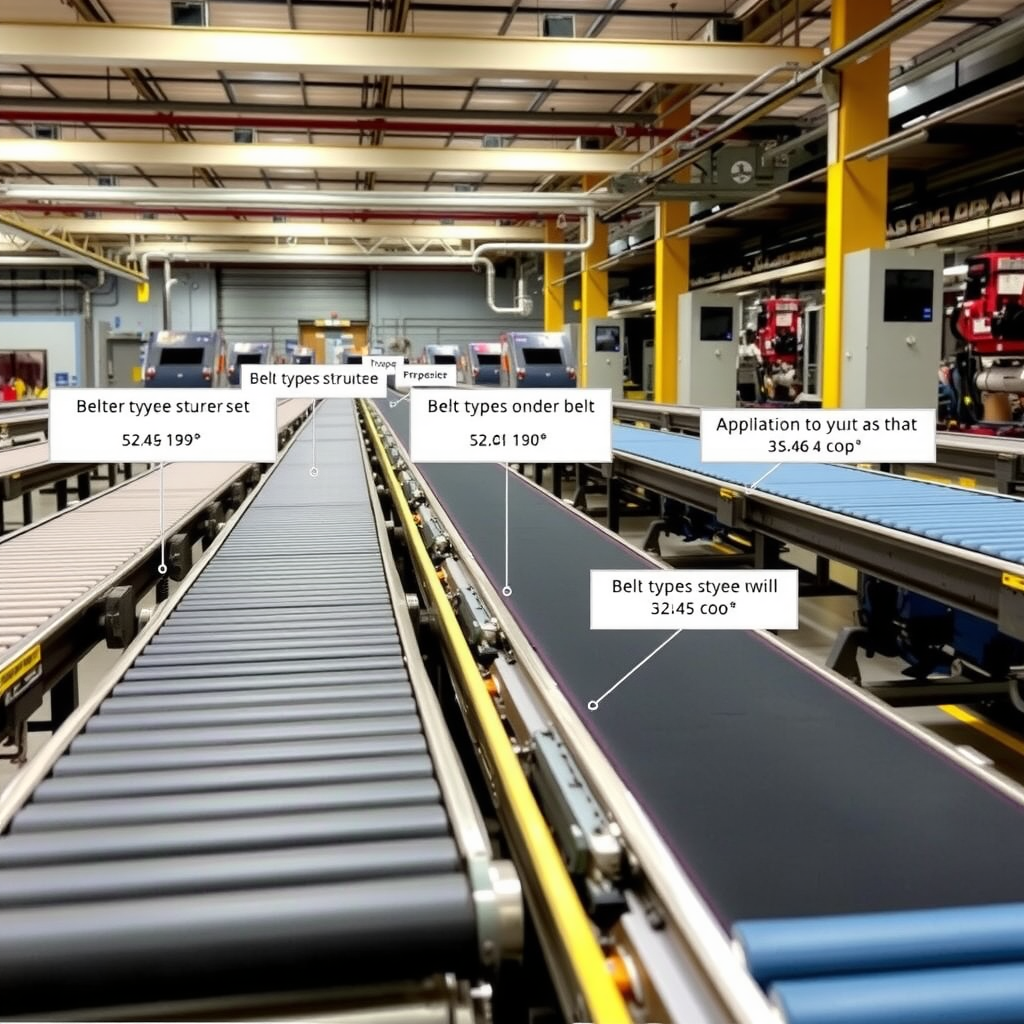
Choosing the right belt conveyor for your business needs is a critical decision that can impact operational efficiency, productivity, and overall workflow. With a myriad of options available in the market, understanding the different types of belt conveyors, their applications, and how they fit within your operational needs is essential. This guest post provides a comprehensive guide to help you select a belt conveyor that best meets your requirements.
Understanding the Different Types of Conveyors
Before diving into specific types of belt conveyors, it’s important to grasp the fundamental role they play in industrial settings. Belt conveyors are mechanical transport systems used to move materials from one location to another efficiently. They consist of a continuous loop of material, commonly fabricated from rubber, plastic, or metal, which is driven by one or more pulleys.
A belt conveyor is an essential component in many industrial processes, offering efficient transportation of materials across various distances. Its versatility allows for smooth movement of bulk goods, increasing productivity and reducing manual labor. When looking for high-quality components and support for belt conveyors, consider visiting https://conveyorrollers.co.uk for expert solutions tailored to your needs.
Inclined Belt Conveyor
An inclined belt conveyor is designed for transporting materials at an angle, making it particularly useful for elevating products from one level to another. This type of conveyor is vital in applications where a vertical lift is required, such as in warehouses and manufacturing plants. When selecting an inclined belt conveyor, consider factors such as the angle of elevation, the weight of the materials being transported, and the space available for installation. Ensuring that the incline is not too steep can prevent materials from sliding off during transit. Moreover, you can opt for side guards or cleated belts for added safety.
Horizontal Belt Conveyor
In contrast to inclined systems, horizontal belt conveyors are ideal for moving materials across a level surface. They are one of the most commonly used conveyor systems, with applications ranging from packaging to assembly lines. When evaluating a horizontal belt conveyor, factors such as belt width, load capacity, and speed are paramount. It is also crucial to assess the design of the conveyor in terms of accessibility for maintenance and integration with other machinery. A good horizontal belt conveyor reduces the time taken to transport materials, thereby enhancing workflow in your operations.
Industrial Belt Conveyor
Industrial belt conveyors cater to a wide range of heavy-duty applications, making them ideal for manufacturing, mining, and bulk material handling industries. When selecting an industrial belt conveyor, factors such as environmental conditions, load capacity, and the type of materials being transported must be considered. Additionally, durability and strength are essential; therefore, choosing a reputable belt conveyor supplier that offers sturdy and reliable options is vital. Industrial-grade materials should stand up to the corrosive effects of chemicals, moisture, and extreme temperatures, ensuring a longer lifespan for your conveyor system.
Roller Belt Conveyor
The roller belt conveyor is a hybrid system that combines standard belt mechanisms with rollers to facilitate easier movement of heavy or awkwardly shaped items. These conveyors are typically used in warehouse environments, where product distributions and logistics are critical. When looking for roller belt conveyors, you should pay attention to the spacing of rollers, as closer spacing can lead to more stability for smaller items. Additionally, consider the motors used to power the rollers, as this can affect the efficiency and speed of operations.
Finding Reliable Belt Conveyor Suppliers
With numerous belt conveyor suppliers on the market, selecting the right one can be a daunting task. Start your search by evaluating the supplier’s reputation within the industry. Look for client testimonials and case studies that demonstrate successful implementations of their conveyor systems. Furthermore, assess their after-sales service for maintenance and support, as this can significantly affect your operations in the long term. A reputable belt conveyor supplier should provide detailed product information, including specifications and warranty terms, to ensure that you are making an informed decision.
Exploring Belt Conveyor Systems for Sale
When searching for belt conveyor systems for sale, it is beneficial to consider both new and refurbished options. New conveyor systems often come equipped with the latest technology and specifications tailored to specific operational needs. On the other hand, refurbished systems can offer significant savings while providing an excellent performance track record. Whichever option you choose, make sure to have a comprehensive understanding of the system’s design, performance metrics, and integration capabilities with existing setups.
In summary, while the process of selecting the right belt conveyor may appear complex, approaching it with a clear understanding of your specific business needs and potential applications can simplify the decision-making process. By considering factors such as the type of conveyor, environmental conditions, the reputation of suppliers, and available systems for sale, businesses can optimise their operations and ensure efficient material handling practices.
